
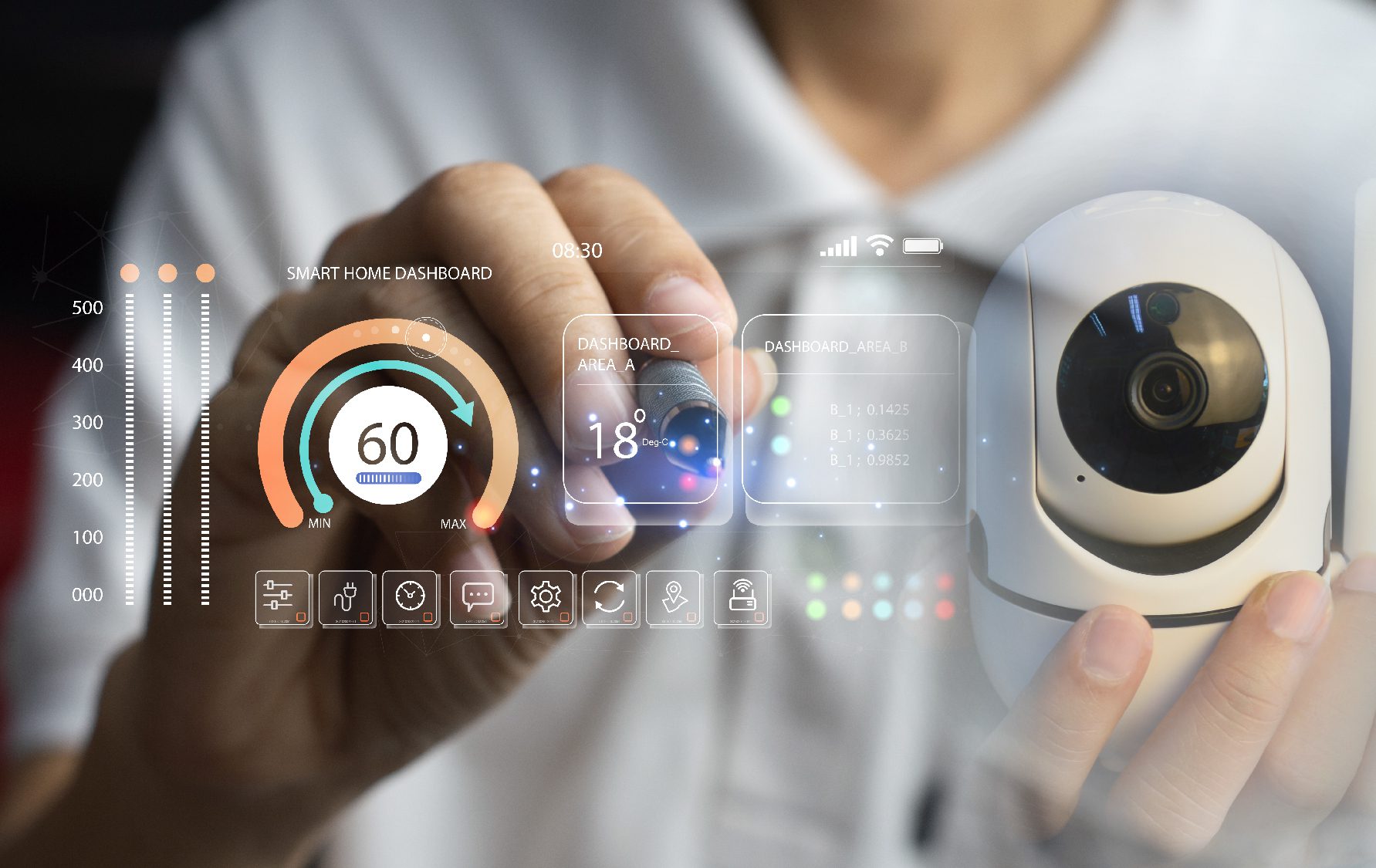
Smart Alerts Powered by Home Security
In an age where technology seamlessly integrates into daily life, home security has evolved beyond simple locks and alarms. The advent of a smart alert system has transformed how residents monitor and protect their homes, offering real-time notifications and predictive insights that enhance both safety and convenience. These intelligent systems ensure that homeowners are immediately informed of potential threats, empowering them to respond swiftly while maintaining peace of mind.
Understanding the Smart Alert System
A smart alert system combines sensors, cameras, and communication protocols to monitor a home continuously. Motion detectors, door and window sensors, and environmental monitors detect unusual activity or hazards, sending instant notifications to connected devices. The system is designed to distinguish between routine events and genuine threats, reducing false alarms while maintaining vigilance. By leveraging advanced algorithms, these systems provide actionable intelligence, allowing residents to make informed decisions in real time.
Real-Time Notifications and Monitoring
One of the most powerful aspects of a smart alert system is its ability to provide real-time updates. Whether a door is left open, a window is breached, or unusual movement is detected, the homeowner receives immediate notification via smartphone, tablet, or computer. This instant awareness allows rapid intervention, whether it involves contacting authorities, remotely activating alarms, or alerting neighbors. Continuous monitoring ensures that the home is never left unprotected, even when residents are away for extended periods.
Integration with Smart Home Devices
Modern smart alert systems are often integrated into broader smart home ecosystems. Lighting, locks, cameras, and thermostats can all interact with the alert system to create coordinated responses. For example, an intrusion detected at the front door can trigger exterior lights, lock all entry points, and initiate video recording. Such integration not only enhances security but also creates a streamlined, user-friendly experience that minimizes the effort required to manage multiple systems individually.
Predictive Security and AI Capabilities
Advanced smart alert systems utilize artificial intelligence to recognize patterns and predict potential security risks. By analyzing historical data, the system can differentiate between typical daily activity and anomalies that may indicate a threat. This predictive capability enables proactive measures, such as preemptive alerts when unusual activity is detected outside normal routines. Over time, the system adapts to the household’s patterns, refining its accuracy and minimizing unnecessary interruptions.
User-Friendly Interfaces
An essential feature of effective smart alert systems is accessibility. Intuitive interfaces on mobile applications or web platforms allow users to view alerts, review security footage, and adjust settings effortlessly. Notifications can be customized to prioritize specific events or areas of concern, ensuring that homeowners remain informed without being overwhelmed. Clear, well-organized interfaces empower users to respond confidently and efficiently to security alerts.
Enhancing Safety for All Residents
Smart alert systems provide protection not only for homeowners but also for family members and guests. Emergency notifications can be sent automatically in case of fire, gas leaks, or water intrusions. Remote monitoring ensures that vulnerable household members, such as children or elderly residents, remain safe even when supervision is not constant. The system functions as a silent guardian, providing reassurance and elevating the overall security environment.
Customizable Alerts and Notifications
Flexibility is a key benefit of smart alert systems. Users can tailor notifications to specific triggers, such as unusual activity during nighttime hours or movement in restricted areas. Alerts can be configured to include images, video clips, or detailed sensor data, providing comprehensive information for quick assessment. This customization ensures that every resident can adapt the system to their unique needs, creating a personalized security experience.
Integration with Professional Monitoring Services
Many smart alert systems offer optional professional monitoring services. In the event of a detected threat, trained personnel can evaluate the situation and coordinate a response, including notifying law enforcement or emergency services. This collaboration provides an additional layer of protection, combining automated intelligence with human oversight. Homeowners gain confidence knowing that their property is monitored continuously, even when they cannot actively manage the system themselves.
Financial and Insurance Benefits
Homes equipped with a smart alert system often qualify for reduced insurance premiums due to the enhanced protection they provide. The presence of continuous monitoring and rapid-response capabilities decreases the likelihood of loss or damage. Integrating insurance considerations with a smart alert system ensures that homeowners benefit from both proactive security and financial safeguards.
Creating a Secure and Stress-Free Home
Ultimately, a smart alert system transforms the way residents experience home security. By combining real-time notifications, predictive intelligence, seamless integration, and customizable features, it provides comprehensive protection without unnecessary complexity. Homeowners can live confidently, knowing that their home is continuously monitored and that they will be informed immediately of any unusual activity.
The result is a home environment that is both secure and serene, where occupants can focus on daily life rather than worrying about potential threats. Smart alerts powered by home security redefine protection, making it intelligent, responsive, and effortless for every household.