
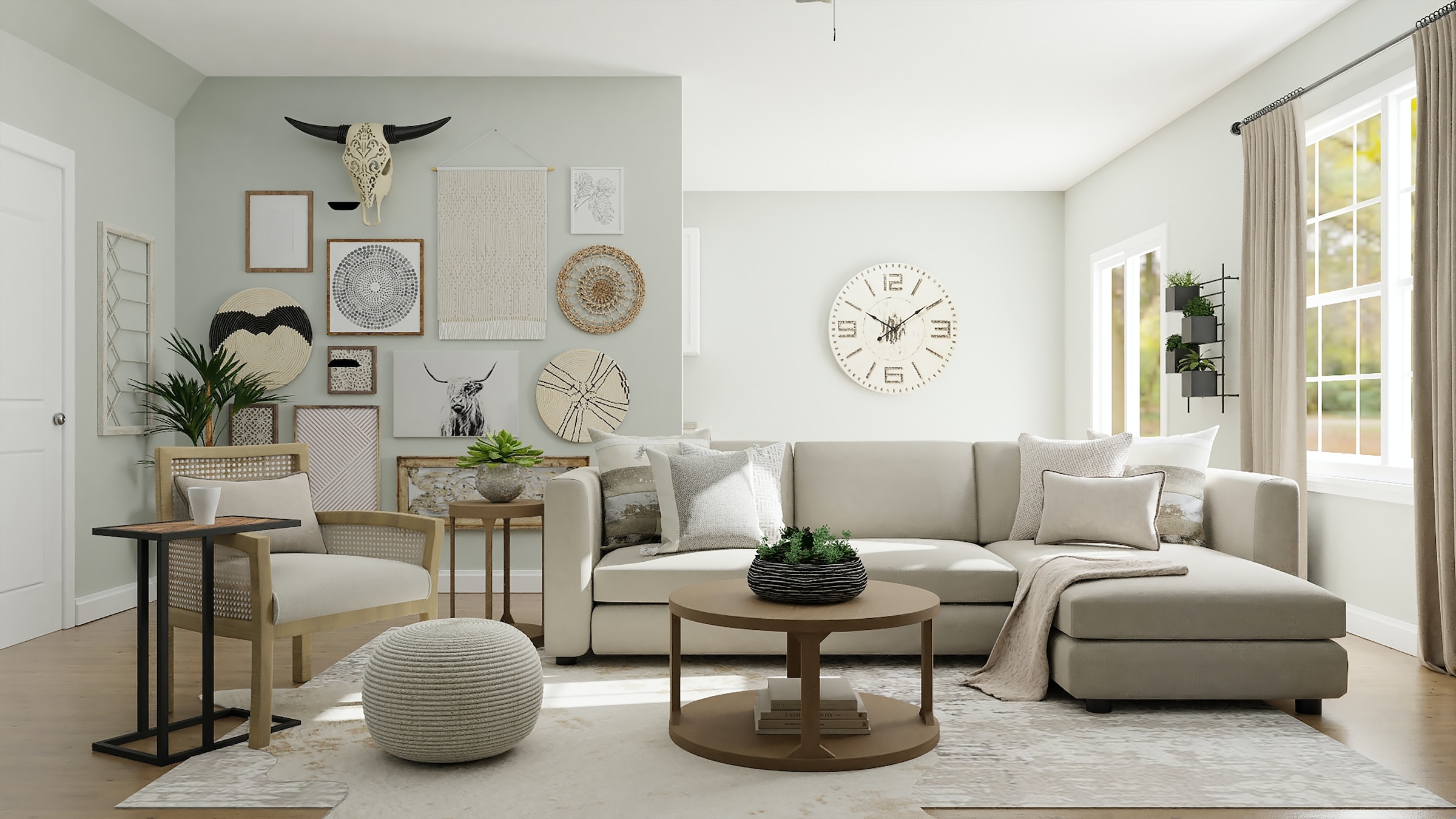
Practical Style Delivered by Home Furniture
Creating interiors that are both functional and stylish starts with practical style ideas. Home furniture is more than just a necessity; it shapes how we live, interact, and experience our spaces. A carefully curated selection of pieces can transform ordinary rooms into hubs of comfort, utility, and visual appeal, demonstrating that practicality and style are not mutually exclusive.
Embracing Multi-Functional Furniture
The heart of practical style lies in versatility. Multi-functional furniture offers solutions that save space without compromising aesthetics. Think of a sofa that doubles as a storage unit, a coffee table with hidden compartments, or an extendable dining table that adapts to gatherings of any size. These pieces streamline living spaces while supporting dynamic lifestyles, making everyday routines more convenient.
Modular furniture is particularly advantageous in contemporary homes. Configurable seating arrangements and movable shelves allow homeowners to reimagine their layouts according to changing needs, promoting both flexibility and functional beauty.
Maximizing Space Efficiency
Space efficiency is a cornerstone of practical style. Opting for furniture that maximizes utility while occupying minimal footprint helps rooms feel open and organized. Floating shelves, wall-mounted desks, and nesting tables provide storage and functionality without overwhelming the area. Compact solutions, when chosen thoughtfully, can create a sense of spaciousness even in smaller homes.
Proper planning of furniture placement also contributes to better movement flow. By positioning pieces thoughtfully, high-traffic zones remain accessible, and the space maintains a coherent, uncluttered feel.
Combining Aesthetics with Utility
Practical style ideas do not sacrifice visual appeal. Sleek lines, elegant materials, and harmonious color palettes allow furniture to serve as both a functional and decorative element. For instance, a leather armchair with a minimalist design not only offers comfort but also elevates the room’s style quotient. Similarly, wooden cabinets with intricate detailing can store essentials while enhancing the overall ambiance.
The integration of textures, from soft fabrics to polished metals, can create depth and interest, ensuring that practical pieces contribute to the home’s aesthetic narrative.
Smart Storage Solutions
Clever storage is a hallmark of practical interiors. Furniture that hides or organizes items—such as ottomans with storage, bed frames with drawers, and built-in shelving—reduces clutter while maintaining easy access. This approach is particularly effective in urban living spaces where optimizing every square foot is essential.
Maintaining organization enhances both functionality and visual harmony. When objects are neatly stored, rooms feel calmer and more inviting, demonstrating that practical design fosters mental as well as physical ease.
Defining Functional Zones
Practical style is also about defining zones that facilitate specific activities. Using furniture to demarcate areas, such as a console table behind a sofa to outline a living area or a bookshelf to separate workspaces, helps maintain order. These boundaries provide structure without compromising openness, guiding both movement and activity within the home.
Area rugs, lighting, and furniture arrangement can further reinforce the sense of purpose for each zone, ensuring that each corner of the home is both useful and visually cohesive.
Prioritizing Comfort and Accessibility
Furniture should support the way people live, not hinder it. Ergonomic chairs, appropriately sized tables, and accessible storage make daily routines seamless. Ensuring that furniture is comfortable and reachable enhances usability, proving that practicality encompasses both form and human experience.
Attention to detail, such as rounded edges, appropriate heights, and intuitive storage access, can make a significant difference in the overall functionality and appeal of a space.
Layering for Style and Function
Practical interiors need not feel sterile. Layering furniture with decorative accents, such as textured throws, cushions, and side tables, merges utility with style. This layering provides visual warmth while maintaining a functional environment, ensuring that practicality does not compromise design sophistication.
Lighting, both ambient and task-oriented, can also accentuate furniture’s form and function. Adjustable lamps or strategically placed fixtures highlight practical pieces while supporting everyday activities.
Sustainability and Longevity
A key aspect of practical style involves durability and sustainability. Investing in high-quality furniture made from lasting materials reduces the need for frequent replacements and supports environmentally conscious living. Timeless designs combined with sturdy construction ensure that pieces remain both functional and stylish over time.
This approach aligns with practical living, where efficiency and longevity coexist with elegance and comfort, creating spaces that remain inviting and purposeful for years.
Practical style delivered by home furniture is about merging function with aesthetic sensibility. By embracing multi-functional pieces, maximizing space efficiency, integrating smart storage, defining functional zones, and prioritizing comfort, interiors become both usable and visually compelling. Layering, careful material selection, and attention to durability further reinforce the balance between practicality and style. Applying these principles ensures that homes are not only well-appointed but also highly functional, allowing residents to enjoy spaces that are both convenient and beautifully designed.