
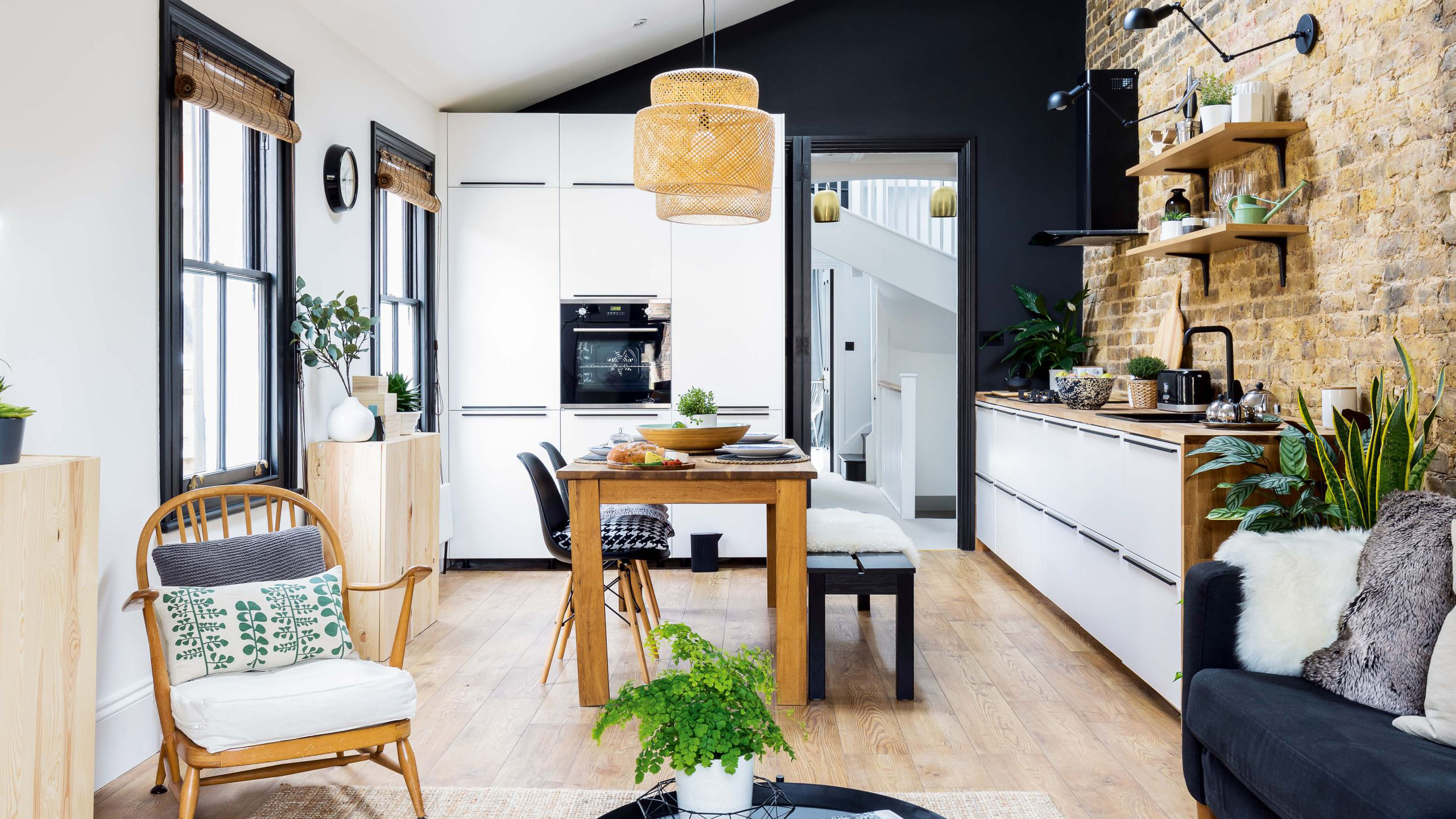
Better Flow Created with Home Organization
A home that encourages seamless movement and functional ease can profoundly improve daily life. Every step, from entering the front door to moving through the kitchen and living spaces, contributes to the overall rhythm of the household. Thoughtful organization not only creates order but also enhances the natural flow of activities, making the home feel more intuitive and welcoming. Implementing better flow solutions allows residents to navigate spaces efficiently while maintaining clarity and style.
Evaluating the Home for Movement
The first step in creating better flow is understanding how spaces are currently used. Identify areas where movement feels restricted or where clutter disrupts natural paths. Observing traffic patterns and daily routines helps pinpoint problem areas that hinder efficiency. By analyzing each room’s function, homeowners can prioritize interventions that will have the most significant impact on flow and overall comfort.
Decluttering for Unobstructed Spaces
Clutter is a primary barrier to smooth movement within the home. Removing items that are unused or unnecessary instantly improves accessibility. Start with high-traffic areas like entryways, hallways, and kitchens. Clearing surfaces and floors not only enhances physical flow but also reduces mental clutter, creating a sense of calm that permeates the entire home. Even small decluttering efforts, such as organizing a drawer or tidying a countertop, produce immediate improvements in ease of navigation.
Functional Zoning to Optimize Activities
Dividing rooms into functional zones streamlines tasks and prevents congestion. Kitchens can benefit from distinct prep, cooking, and storage zones. Living rooms may separate work areas, entertainment spaces, and relaxation corners. Bedrooms can differentiate sleeping, dressing, and leisure spaces. Zoning ensures that activities occur in their designated areas, reducing overlaps and interruptions, and enhancing the overall rhythm of daily life.
Smart Storage for Efficient Access
Intelligent storage solutions are essential for sustaining better flow. Vertical shelving, under-furniture compartments, and modular units maximize space while keeping items easily accessible. Drawer organizers, labeled containers, and baskets help group similar belongings, reducing the time and effort needed to locate essentials. Well-planned storage ensures that items remain orderly and surfaces stay clear, creating an environment conducive to smooth movement.
Streamlining Daily Routines
An organized home directly enhances the efficiency of daily routines. Assign specific spots for frequently used items, such as keys, wallets, and personal devices, to minimize time spent searching. In the kitchen, arranging utensils, cookware, and pantry items for quick retrieval accelerates meal preparation. When organization aligns with natural workflows, daily tasks feel effortless, reducing friction and enhancing productivity.
Multi-Functional Furniture to Support Flow
Furniture that serves multiple purposes contributes significantly to better flow. Storage ottomans, foldable desks, and nesting tables provide flexibility without obstructing movement. Multi-functional pieces allow rooms to accommodate a variety of activities while maintaining clear pathways. This approach ensures that even compact spaces remain practical, organized, and visually harmonious.
Lighting and Spatial Perception
Proper lighting enhances both flow and clarity. Maximize natural light by keeping windows unobstructed and using reflective surfaces to brighten interiors. Layered artificial lighting, such as ambient, task, and accent illumination, highlights functional areas and creates a sense of spaciousness. Well-lit rooms support easy navigation and emphasize organized spaces, reinforcing the feeling of order and fluidity.
Minimalist Design to Reduce Obstacles
Minimalism strengthens the effectiveness of better flow solutions. Limiting decorative excess and prioritizing essential items reduces visual and physical obstacles. Open surfaces, clean lines, and neutral tones contribute to a sense of openness, allowing movement to feel unhindered. Minimalist principles also make organization more sustainable by reducing the potential for clutter accumulation.
Consistent Maintenance Practices
Consistency is key to preserving better flow. Establish daily habits such as returning items to their designated locations and performing short tidying sessions. Weekly organization checks help prevent clutter from creeping back into pathways. Maintaining these routines ensures that spaces remain functional, efficient, and visually appealing over time.
Coordinating Household Members
Flow is enhanced when all members of the household engage with organizational systems. Establish clear rules for communal spaces, shared storage areas, and movement-friendly layouts. Teaching children and family members to respect zones and pathways reinforces good habits, reduces conflicts, and sustains a smooth, efficient home environment.
Transitional Areas as Flow Anchors
Entryways, hallways, and mudrooms are pivotal for maintaining a sense of flow. Hooks, bins, small shelves, and benches organize items that frequently enter or exit the home. Keeping these spaces orderly prevents clutter from spreading into living areas and ensures transitions from one part of the home to another remain fluid and stress-free.
Personalizing Organizational Systems
While function is essential, personalization encourages consistent engagement. Select storage solutions, décor elements, and color schemes that reflect individual style while supporting efficiency. Personal touches make organized spaces more inviting, motivating residents to maintain order and enjoy the enhanced flow of their home.
Strategic organization transforms homes into spaces that feel open, calm, and efficient. Through decluttering, functional zoning, smart storage, multi-functional furniture, and consistent maintenance, better flow solutions become an integral part of daily life. A home designed with flow in mind supports smooth navigation, reduces stress, and cultivates an environment that is both practical and aesthetically pleasing, making every day easier and more enjoyable.