
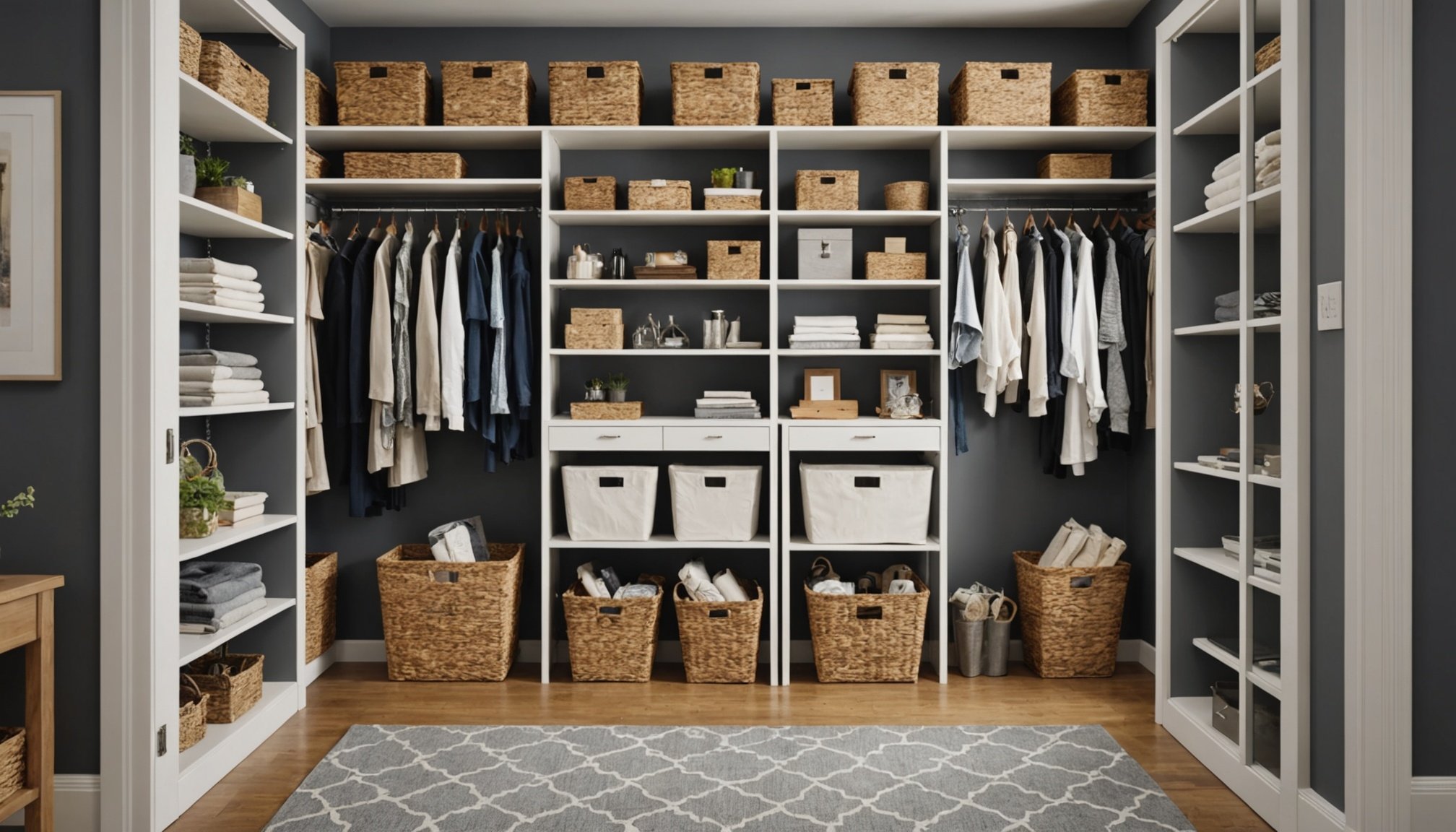
Compact Areas Transformed by Home Organization
Maximizing the potential of small living spaces requires more than just clever décor; it demands intentional organization and thoughtful planning. With strategic systems in place, even the most modest rooms can feel spacious, functional, and inviting. Implementing compact area transformation techniques allows homeowners to elevate efficiency while maintaining aesthetic appeal, creating homes that are as practical as they are visually pleasing.
Assessing the Space
The first step in transforming compact areas is a thorough assessment of the room. Consider natural light sources, wall space, floor plan, and traffic flow. Understanding how each square foot is utilized provides the foundation for smart organization solutions. Identifying underutilized corners and vertical opportunities reveals hidden potential, ensuring that no area is wasted.
Decluttering for Maximum Impact
Decluttering is essential in compact spaces. Excess belongings create visual chaos and impede movement, making small rooms feel even tighter. Begin by removing items that are redundant or seldom used. A minimalist approach not only clears physical space but also fosters mental clarity, allowing residents to appreciate the room’s full potential.
Vertical and Multi-Level Storage
In compact areas, vertical storage solutions are crucial. Shelving units, wall-mounted racks, and hanging organizers draw the eye upward while freeing floor space. Multi-level storage, such as stackable bins or tiered shelving, allows for maximum capacity without overcrowding. Utilizing height strategically ensures that storage is both accessible and visually harmonious.
Multi-Functional Furniture
Furniture that serves more than one purpose is a cornerstone of compact area transformation. Foldable tables, storage ottomans, and sofa beds provide seating, workspace, and storage simultaneously. These elements reduce clutter, streamline routines, and maintain a tidy appearance. Multi-functional pieces are not just practical; they also create a sense of flexibility within small spaces.
Clear Zones and Defined Functions
Organizing compact areas effectively requires creating zones for specific activities. In a studio apartment, designate sleeping, working, and relaxation areas to minimize overlap. Kitchens can separate prep, cooking, and storage spaces for efficiency. Defined zones enhance functionality while contributing to a more orderly and visually cohesive environment.
Strategic Furniture Placement
How furniture is arranged significantly affects flow and perception in compact spaces. Avoid blocking windows or narrow pathways with bulky pieces. Opt for low-profile furniture that maintains openness and encourages movement. Thoughtful placement highlights the room’s organization and amplifies the feeling of space.
Color and Light Optimization
Light-colored walls, reflective surfaces, and strategic lighting enhance the perception of space in compact areas. Mirrors amplify natural light, while layered artificial lighting ensures even illumination. Coordinating colors and textures can create a sense of continuity, making the room appear larger and more inviting. Organized spaces paired with light optimization feel expansive despite their physical constraints.
Hidden Storage Solutions
In small rooms, hidden storage is invaluable. Under-bed drawers, built-in cabinets, and furniture with concealed compartments reduce clutter while maintaining accessibility. Hidden storage ensures that daily necessities are at hand without compromising visual simplicity, contributing to a clean, organized aesthetic.
Consistency and Maintenance
Compact areas require ongoing attention to remain functional and visually appealing. Implement daily habits of returning items to their designated spots and conducting regular decluttering sessions. Consistency preserves the organization system, ensuring that the transformation is long-lasting rather than temporary.
Personalized Touches Without Clutter
Even in compact spaces, personalization adds warmth and character. Select a few meaningful décor pieces or artworks and display them thoughtfully. Keeping surfaces uncluttered while showcasing personality creates an environment that is both beautiful and practical. Personalized touches enhance the space without compromising the integrity of the organization.
Flexible Adaptation
Small spaces often need to serve multiple purposes over time. Designing with flexibility in mind allows for quick adjustments as lifestyle demands change. Modular furniture, movable partitions, and adaptable storage solutions enable compact areas to evolve while remaining organized and efficient.
Incorporating Minimalist Principles
Minimalism complements compact area transformation by focusing on essentials and eliminating excess. Maintaining open surfaces, clean lines, and limited decorative items creates a sense of calm and order. Minimalist principles ensure that the space feels airy and functional while emphasizing the organization that underpins the room.
Enhancing Functionality Through Systems
Creating systems for daily routines enhances usability in compact spaces. Organizing workstations, kitchen prep areas, or entryway storage improves efficiency and reduces clutter buildup. Predictable systems encourage habits that maintain order, reinforcing the compact area transformation over time.
By combining decluttering, vertical storage, multi-functional furniture, clear zoning, and light optimization, homeowners can fully realize the potential of even the smallest spaces. Compact area transformation is not merely about squeezing more into a room; it is about creating an environment where every square foot is purposeful, aesthetically pleasing, and supportive of daily living. Thoughtful organization allows compact areas to feel expansive, efficient, and elegantly curated, demonstrating that small spaces can have a big impact.