
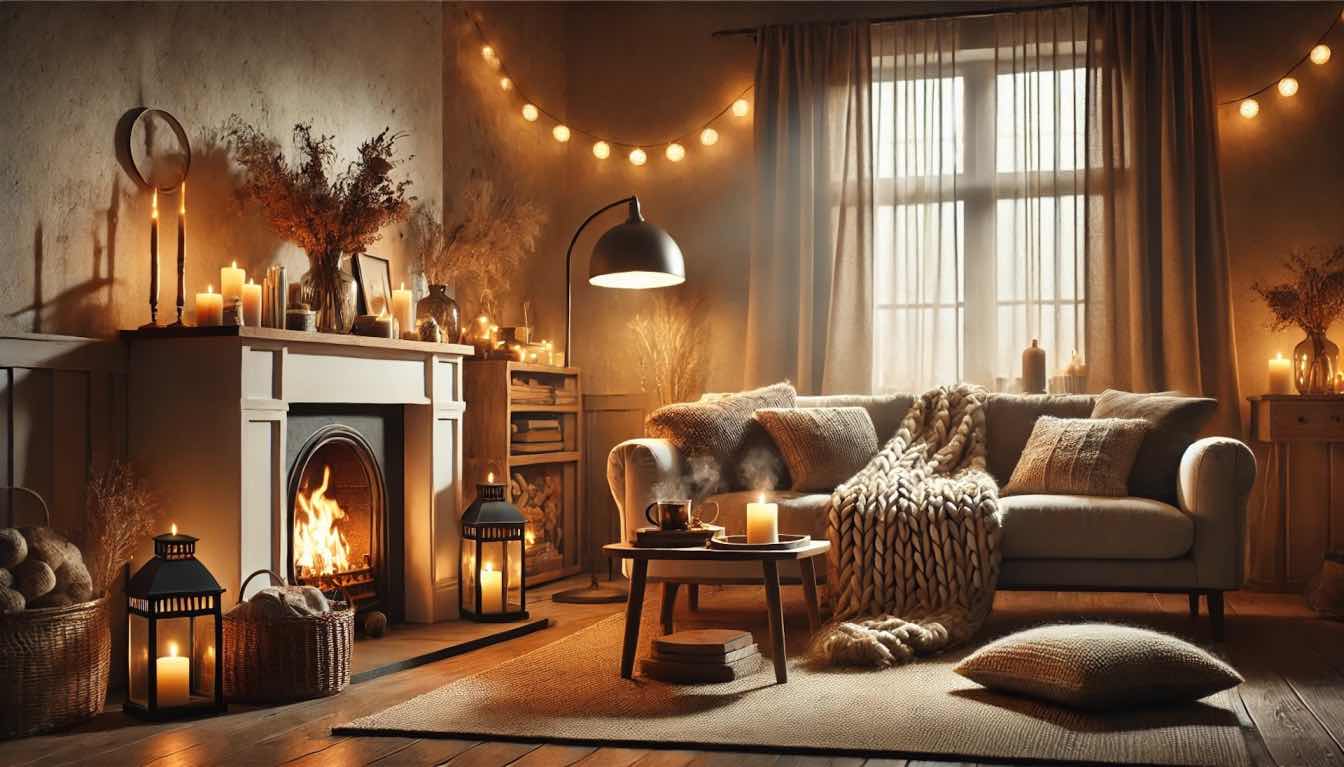
Cozy Atmospheres Made with Home Furniture
Crafting a home that exudes warmth and comfort requires deliberate choices in furniture, layout, and materials. By focusing on cozy atmosphere design, homeowners can transform ordinary rooms into inviting sanctuaries where relaxation and connection thrive. The right combination of textures, lighting, and furniture selection turns a house into a comforting retreat that appeals to both the senses and the soul.
The Foundation of Comfort
At the heart of any cozy space is foundational furniture that supports both function and comfort. Plush sofas, overstuffed armchairs, and sturdy yet welcoming dining sets establish a sense of stability and warmth. Choosing pieces with soft lines and gentle curves creates a natural invitation to sit and linger, while well-considered proportions ensure that rooms feel intimate without being cramped.
Layering these elements strategically allows spaces to feel both open and snug. A carefully positioned loveseat near a window or a corner armchair with a small side table can instantly cultivate an atmosphere of retreat and reflection.
Textures That Envelop
Texture plays a critical role in cozy atmosphere design. Soft throws, woven rugs, and velvet cushions introduce tactile richness that encourages physical and emotional comfort. Combining different textures—such as smooth leather with fluffy wool or polished wood with soft linen—adds depth and visual interest without overwhelming the senses.
Materials with natural appeal, like reclaimed wood or rattan, contribute warmth while maintaining an organic, timeless aesthetic. Thoughtful layering ensures that each piece enhances the room’s welcoming character.
Lighting as a Comfort Catalyst
Lighting transforms furniture from mere objects into atmospheric anchors. Warm, diffused illumination softens edges and creates a soothing ambiance. Floor lamps, table lamps, and pendant lights with warm bulbs guide attention to areas of comfort and activity, while candles or string lights introduce a gentle glow that fosters relaxation.
Natural light should be maximized during the day, with furniture placement enhancing the flow of sunlight and avoiding harsh shadows. Reflective surfaces like mirrors or glass tabletops can amplify brightness, making a cozy room feel larger while maintaining intimacy.
Arranging for Connection
The layout of furniture significantly influences how cozy a space feels. Arranging seating in conversational clusters promotes social interaction and encourages lingering. Even in smaller rooms, angling chairs slightly toward each other or pairing a sofa with an adjacent armchair creates a sense of inclusion and warmth.
Low-profile furniture can help maintain an uncluttered feel while emphasizing comfort, and strategically placed rugs or accent tables can subtly define zones, making each corner feel intentional and inviting.
Multifunctional Furniture for Adaptability
Cozy atmospheres benefit from furniture that accommodates multiple uses without adding clutter. Storage ottomans, convertible sofas, and nesting tables offer flexibility, allowing a single piece to serve as seating, surface space, or hidden storage. This adaptability ensures that rooms remain functional and comfortable, no matter the activity.
By integrating practicality into aesthetic choices, furniture enhances both the physical comfort and the overall harmony of the space.
Personalization and Warmth
The soul of a cozy room lies in personalization. Displaying books, cherished artwork, or meaningful collectibles infuses a space with personality and emotional resonance. Even subtle touches, like family photos or handcrafted accents, contribute to a welcoming environment that feels authentically lived-in.
These elements, when curated with care, complement furniture and textures, creating a cohesive atmosphere where warmth and familiarity coexist.
Accent Pieces and Details
Small furniture accents can profoundly influence a room’s cozy quality. Side tables, stools, poufs, and corner shelves provide additional surfaces for activity and display, while also supporting a layered aesthetic. Statement lighting, textured pillows, and decorative throws can punctuate furniture arrangements, adding character without cluttering the space.
Artful coordination between accent pieces and primary furniture ensures a seamless, inviting look that elevates the room’s overall comfort.
Balancing Openness and Intimacy
A truly cozy space balances openness with intimacy. Avoiding overcrowding maintains flow and accessibility, while still allowing corners or alcoves to feel protected and nurturing. Strategic placement of furniture defines areas without creating barriers, giving each section its own function and sense of refuge.
Zoning with rugs, furniture groupings, or subtle color shifts reinforces the feeling of comfort, helping inhabitants move seamlessly between social and private spaces.
Harmonizing Colors and Materials
Color schemes in cozy atmosphere design lean toward warm, muted tones and natural hues. Soft creams, earthy browns, gentle grays, and deep greens encourage relaxation and cohesion. Combining complementary materials—wood, metal, textile, and glass—adds depth and richness while preserving simplicity.
Accents like patterned cushions, textured throws, or subtle artwork can provide points of visual interest, ensuring the room remains dynamic without detracting from its serene character.
Cozy atmospheres made with home furniture are a harmonious blend of comfort, function, and aesthetic intention. By integrating plush seating, layered textures, warm lighting, and carefully arranged layouts, homeowners can create spaces that welcome both rest and connection. Thoughtful personalization, multifunctional furniture, and attention to scale and proportion further enhance the sense of intimacy. Emphasizing cozy atmosphere design transforms ordinary rooms into inviting retreats, making every corner a sanctuary where warmth, comfort, and style coexist effortlessly.