
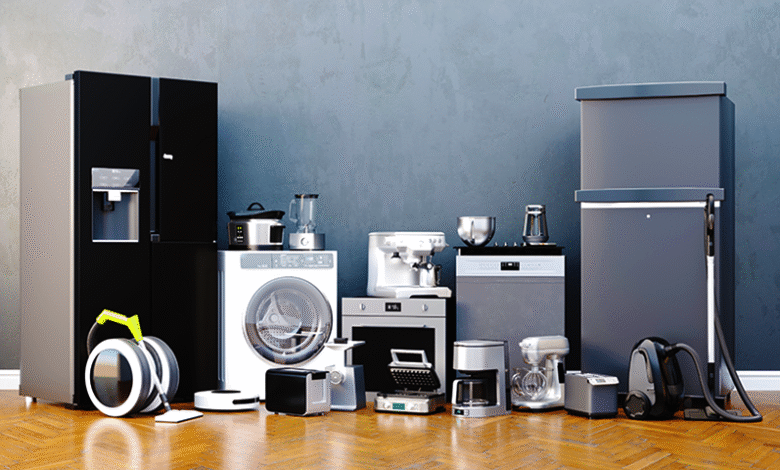
Next-Level Efficiency from Home Appliances
In today’s fast-paced lifestyle, time and energy are precious commodities. Modern homes require tools that not only perform tasks but also enhance daily workflows. By implementing efficiency improvement steps through home appliances, households can streamline routines, reduce stress, and achieve a higher standard of living. These appliances provide practical solutions, combining technology, design, and functionality to transform ordinary chores into effortless processes.
Streamlined Kitchen Operations
The kitchen is often the busiest area in a home, and efficiency begins here. Multi-functional appliances like combination ovens, programmable coffee makers, and high-speed blenders simplify cooking and beverage preparation. Smart refrigerators that track inventory and suggest meal plans reduce guesswork and save time. Integrating these devices is a practical approach to efficiency improvement steps, ensuring that meals are prepared quickly and accurately while minimizing waste.
Laundry Made Effortless
Laundry is another area where appliances can elevate efficiency. Washer-dryer combos, stackable units, and steam-assisted washing machines reduce manual effort and complete cycles faster than traditional setups. Many modern machines offer intelligent sensors to optimize water and energy usage based on load size. By adopting these solutions, households implement efficiency improvement steps that save both time and energy, allowing family members to focus on more meaningful tasks.
Automated Cleaning Solutions
Maintaining a clean home is essential but time-consuming. Robotic vacuum cleaners, portable steam mops, and compact dishwashers offer automated cleaning without requiring constant attention. These appliances ensure that floors, surfaces, and dishes remain spotless while family members attend to other responsibilities. Utilizing automated cleaning tools is a strategic element in efficiency improvement steps, allowing homes to remain orderly without compromising productivity.
Climate Control for Comfort and Productivity
A comfortable environment enhances focus and energy levels. Compact air conditioners, programmable heaters, and air purifiers provide consistent temperature and air quality while minimizing energy use. Many units feature remote control or scheduling options, allowing households to adjust conditions seamlessly. Integrating climate control into daily routines exemplifies efficiency improvement steps that create an environment conducive to both comfort and performance.
Organized Storage and Space Utilization
Appliances designed with storage in mind contribute significantly to operational efficiency. Modular refrigerators, pull-out pantries, and slimline dishwashers optimize space and keep essentials accessible. Adjustable racks and hidden compartments allow for organized storage, reducing clutter and saving time spent searching for items. These solutions illustrate efficiency improvement steps that make daily routines smoother and living spaces more functional.
Smart Technology Integration
The rise of smart home technology has expanded the potential for efficiency. Voice-activated devices, app-controlled appliances, and automated schedules reduce repetitive tasks and streamline household management. From remotely starting a washing machine to monitoring oven temperatures, smart integration ensures that multiple operations occur effortlessly. Embracing these tools is a key strategy in efficiency improvement steps, transforming homes into intelligent, self-managing environments.
Energy-Efficient Practices
Energy-conscious appliances further elevate efficiency by reducing costs and environmental impact. Advanced washing machines, LED-lit refrigerators, and smart lighting systems optimize energy consumption without sacrificing performance. Households benefit from lower utility bills and minimal monitoring, allowing more focus on other priorities. Energy efficiency is a crucial component of efficiency improvement steps, demonstrating how thoughtful appliance selection can enhance both convenience and sustainability.
Health and Wellness Integration
Efficient homes also prioritize wellness. Air purifiers, humidifiers, and water filtration systems maintain a healthy living environment, reducing illness and promoting vitality. Appliances that support health contribute to consistent daily performance, ensuring family members feel energized and ready for the day. Incorporating wellness-focused devices is a subtle yet impactful element of efficiency improvement steps, supporting long-term comfort and productivity.
Creating a Cohesive Routine
Next-level efficiency emerges when appliances are selected and used strategically. Integrating smart kitchen gadgets, laundry solutions, climate control, automated cleaning, and wellness devices into cohesive routines ensures that household operations run smoothly. Each appliance complements the others, forming a synergistic system that maximizes time, minimizes effort, and reduces stress. Efficiency improvement steps become tangible through careful planning and appliance integration, transforming ordinary households into models of seamless functionality.
By leveraging home appliances thoughtfully, homes become more than just living spaces—they become efficiency hubs. Every task, from meal preparation to laundry, cleaning, and climate management, is simplified without sacrificing quality or comfort. With strategic appliance selection, smart technology, and organizational design, families can achieve a higher level of daily productivity. The integration of these tools represents not only convenience but also a lifestyle where efficiency and ease coexist effortlessly.