
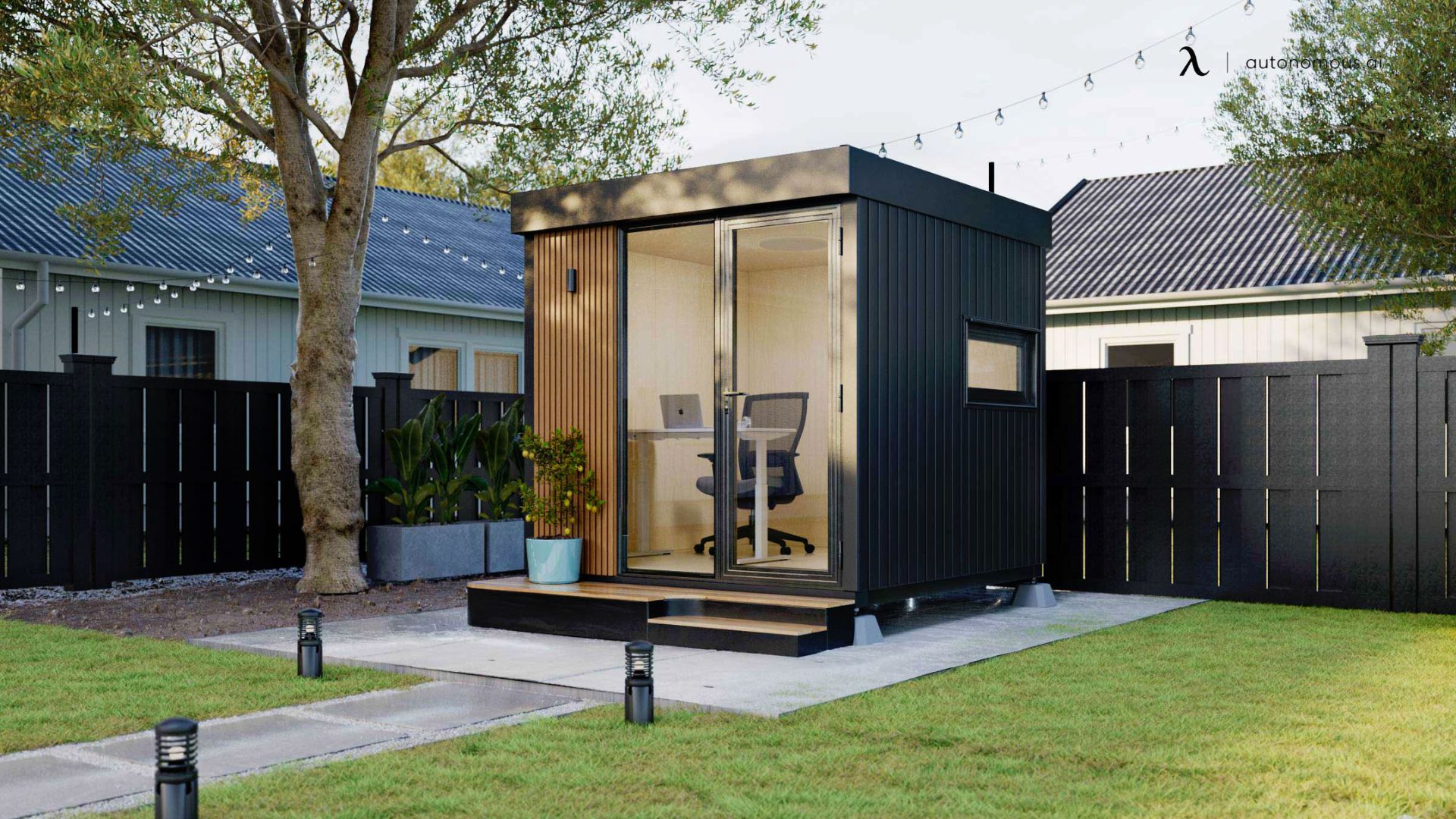
Small Homes Fortified with Home Security
In an era where urban living often means compact spaces and efficient layouts, ensuring the protection of your residence is paramount. Installing a small home security system provides not just a shield against intrusions, but also a profound sense of reassurance for all occupants. Small homes, while cozy and manageable, present unique vulnerabilities due to their limited footprint and often close proximity to neighbors or street traffic. A well-designed security strategy transforms these dwellings into fortified sanctuaries where residents can enjoy both comfort and safety.
Understanding the Nuances of Small Home Security
Unlike larger estates, small homes demand a tailored approach to security. Conventional systems designed for expansive properties may not translate effectively into compact spaces. Therefore, prioritizing strategic placement of cameras, sensors, and alarms is essential. Every entry point—from front doors to windows, and even seldom-used side gates—must be evaluated for potential risk. Smart sensors that detect motion, glass breakage, or unusual activity provide real-time alerts, ensuring that even the smallest signs of intrusion are promptly addressed.
Moreover, the integration of smart technology enhances both security and convenience. Remote monitoring via smartphones or tablets allows homeowners to maintain vigilance regardless of their physical location. This continuous connectivity converts a simple residence into a dynamic safety network, capable of responding to threats instantly.
Layered Security: A Holistic Approach
Effective small home security relies on layered defense strategies. Locks and reinforced doors are the first line of protection, but they should be supplemented with visible deterrents such as cameras or signage. Motion-activated lighting, strategically placed around entrances and pathways, illuminates potential vulnerabilities while signaling active monitoring to outsiders.
Interior sensors complement these measures, detecting unusual movement or unauthorized access within the home. For families with children or elderly residents, monitoring devices can serve dual purposes: enhancing security and providing reassurance about the occupants’ well-being. The synergy of multiple safeguards creates a robust system where no single vulnerability jeopardizes the entire home.
Psychological Impact of a Secure Environment
Security is as much about mental tranquility as it is about physical protection. A fortified small home fosters a sense of calm that permeates daily life. Residents can enjoy routines such as working, cooking, or resting without the nagging worry of potential threats. Children grow in an environment where safety is tangible, learning the importance of responsible behavior alongside the comfort of a secure household.
The awareness that a home is constantly monitored often reduces anxiety, encourages healthier sleep patterns, and promotes overall emotional resilience. It empowers residents to focus on productivity, creativity, and social engagement, confident that their personal space is well-guarded.
Integrating Smart Technology in Compact Spaces
Modern small home security thrives on technology that is both unobtrusive and highly functional. Wireless cameras, smart locks, and doorbell monitors are ideal for compact layouts where space is limited. Integration with virtual assistants and mobile applications streamlines control, allowing homeowners to lock doors, arm alarms, and check video feeds with minimal effort.
Automation plays a crucial role in maintaining consistent vigilance. For instance, scheduled activation of lights or alerts during absence periods simulates occupancy, deterring potential intruders. Even modest spaces can benefit from a sophisticated system that adapts to lifestyle patterns while maintaining comprehensive protection.
Emergency Preparedness and Response
A fortified home extends beyond preventing break-ins. Incorporating emergency response measures—such as smoke detectors, carbon monoxide sensors, and panic alerts—enhances overall safety. In small homes, where quick evacuation may be necessary due to proximity constraints, preparation is vital. Residents should establish clear escape routes, familiarize themselves with emergency procedures, and test safety systems regularly to ensure optimal functionality.
The combination of technological safeguards and informed readiness equips small home dwellers to respond effectively to a wide range of scenarios, from minor disturbances to critical emergencies.
Tailoring Security to Individual Needs
Every small home is unique, and security solutions should reflect the specific requirements of the household. Factors such as floor plan, location, occupancy patterns, and lifestyle habits influence the choice of devices and monitoring strategies. Periodic reassessment ensures that the security system evolves alongside changes in the home, such as renovations, new household members, or shifts in neighborhood dynamics.
Personalized solutions maximize efficiency and reduce unnecessary complexity. Compact homes, while limited in size, offer an opportunity to implement highly targeted measures that cover every potential vulnerability without overwhelming the space or the occupants.
Long-Term Benefits of Fortified Small Homes
Investing in small home security is an investment in peace of mind, stability, and resilience. Beyond immediate protection, it cultivates a living environment where occupants can flourish, secure in the knowledge that their home is a sanctuary. The combination of proactive technology, practical safeguards, and mindful preparedness creates a balance where safety and comfort coexist seamlessly.
A fortified small home encourages confidence in everyday life. Families, roommates, or solo residents can pursue personal and professional goals without the lingering shadow of insecurity. The assurance that every corner, entry point, and pathway is monitored fosters a holistic sense of well-being.
Ultimately, a small home fortified with security measures is not merely a dwelling; it is a resilient, self-sufficient haven. Through thoughtful planning, technological integration, and consistent upkeep, even the most compact residences can achieve a level of protection traditionally associated with larger properties. The result is a space where life unfolds freely, secure in the knowledge that safety is comprehensive, reliable, and enduring.