
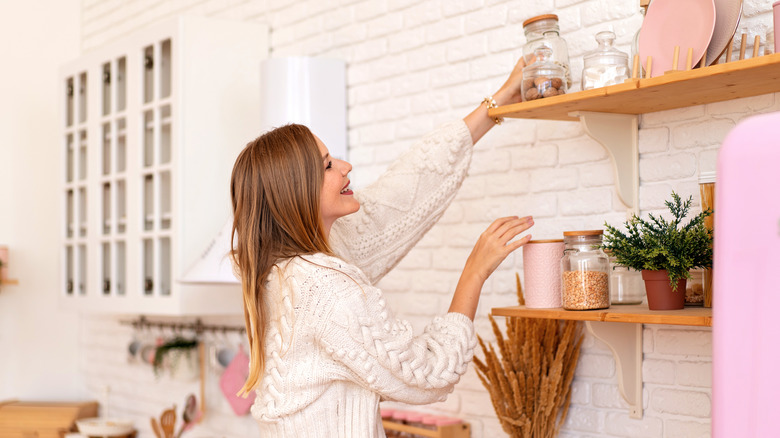
Smart Habits Supported by Home Organization
Home organization is more than a matter of aesthetics; it is a catalyst for developing routines that enhance productivity, reduce stress, and foster well-being. An organized environment encourages intentional living, allowing tasks to be completed efficiently while minimizing friction and wasted time. By integrating smart habit tips into home organization strategies, individuals can cultivate daily practices that are sustainable, practical, and tailored to support a balanced lifestyle.
Understanding the Link Between Space and Routine
The design and organization of a home directly influence the habits formed within it. Cluttered surfaces and disordered spaces can interrupt focus, hinder movement, and create unnecessary stress. In contrast, an organized home supports seamless transitions between tasks, encourages consistent routines, and promotes mindfulness. Understanding this relationship is the first step toward developing smart habits that are reinforced by the environment itself.
Decluttering as a Foundational Habit
The cornerstone of smart habits is decluttering. Establishing a routine for regularly evaluating belongings ensures that only essential items occupy space. Decluttering prevents accumulation of unnecessary objects, making daily cleaning and organizing more manageable. By committing to this habit, homeowners reinforce a mindset of intentional living and create a home where every item has a purpose and place.
Functional Zoning for Consistency
Zoning different areas of the home for specific functions simplifies routines and reduces decision fatigue. Kitchens can be divided into cooking, prepping, and storage zones. Living rooms may separate workspaces, relaxation areas, and entertainment corners. Bedrooms can distinguish between sleeping, dressing, and personal projects. Functional zoning helps maintain consistency in daily habits, as the physical environment clearly indicates the purpose of each space.
Implementing Efficient Storage Systems
Effective storage is vital for sustaining smart habits. Utilize vertical shelving, labeled containers, drawer dividers, and modular units to keep items accessible yet orderly. Consistent storage systems reduce the time spent searching for belongings, allowing routines to proceed smoothly. Well-designed storage encourages individuals to return items to their proper places, reinforcing organization as a daily habit.
Morning and Evening Routines
Smart habits flourish when routines are supported by home organization. Morning routines, such as preparing clothing, packing lunches, or organizing work materials, are streamlined when essentials are clearly accessible. Evening routines, including tidying common areas and returning items to storage, help maintain order for the following day. Consistent morning and evening practices create rhythm, reduce stress, and reinforce habits that contribute to an organized lifestyle.
Multi-Functional Furniture for Habit Reinforcement
Furniture that integrates storage with functionality enhances habit formation. Storage ottomans, beds with drawers, and benches with compartments make it easy to maintain cleanliness and organization. Multi-functional furniture ensures that items are not left scattered, supporting habits that prioritize tidiness and efficiency without added effort.
Establishing Checklists and Reminders
Visual cues and checklists strengthen smart habits. Use whiteboards, sticky notes, or digital reminders to reinforce daily tasks and routines. Designate specific locations for these reminders within the home, such as near entryways or in kitchens, to encourage interaction and adherence. Checklists create accountability and guide individuals through structured routines, ensuring that habits are consistently practiced.
Encouraging Family Participation
When multiple household members are involved, smart habits are more effective if everyone participates. Assign designated storage areas, clarify responsibilities, and establish shared routines. Teaching children and other family members to maintain order reinforces positive habits across the household and ensures that organizational systems function smoothly.
Minimizing Decision Fatigue
A home organized for simplicity reduces unnecessary choices, allowing focus on meaningful activities. Keeping frequently used items in designated spots, streamlining wardrobe options, and maintaining a clean environment all minimize decision fatigue. Reducing cognitive load supports the formation of smart habits by making routines effortless and intuitive.
Incorporating Habit Zones
Creating small habit zones encourages repetition and reinforcement. For example, a dedicated coffee station, a reading nook, or a workspace encourages specific behaviors and ensures that tools and materials are immediately accessible. Habit zones integrate organization with function, making it easier to follow desired routines consistently.
Consistency Through Maintenance
Maintaining organization is essential to sustaining smart habits. Daily tidying, weekly reviews of storage systems, and periodic reassessment of routines prevent clutter from creeping back. Consistent maintenance strengthens habits and ensures that the environment continues to support efficiency, productivity, and well-being.
Personalization and Adaptability
Smart habits are most successful when aligned with personal preferences and lifestyle needs. Customize storage solutions, workspaces, and routines to reflect individual priorities. Personalization encourages adherence to habits, while adaptability ensures that organizational systems remain effective as routines, family dynamics, or lifestyle demands evolve.
Leveraging Minimalism for Simplicity
Minimalist principles complement habit formation by reducing visual and physical distractions. Keeping surfaces clear, limiting decorative excess, and maintaining only essential items create an environment conducive to focus and consistency. Minimalism reinforces habits by making routines easier to follow and reducing the temptation to accumulate unnecessary items.
By combining decluttering, functional zoning, efficient storage, and consistent maintenance, homeowners can cultivate smart habits that are seamlessly integrated with their environment. Implementing smart habit tips through home organization transforms spaces into supportive frameworks that encourage productivity, mindfulness, and well-being. The result is a home where routines are intuitive, order is sustained, and everyday life flows with ease and purpose.