
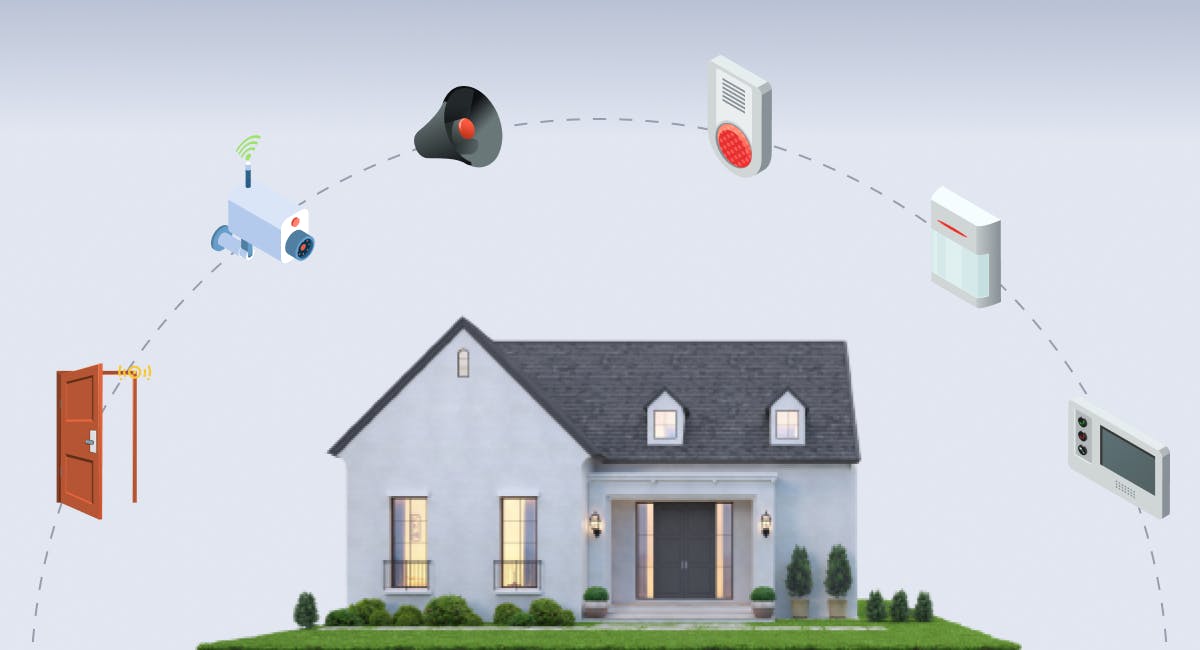
Smart Homes Protected by Home Security
In an era where convenience meets technology, ensuring safety through smart home protection has become an essential component of modern living. A smart home is not merely a showcase of gadgets; it is an ecosystem where security, efficiency, and peace of mind coexist seamlessly. From automated locks to intelligent surveillance, integrated systems create a network that watches over homes continuously, deterring threats while enhancing daily routines. The fusion of connectivity and vigilance elevates the concept of safety into a proactive, dynamic experience.
The Evolution of Home Security
Traditional security measures, such as deadbolts and window locks, are no longer sufficient to address contemporary challenges. Smart home protection leverages advanced technologies, including motion sensors, facial recognition cameras, and real-time alerts. These innovations allow homeowners to monitor activity from anywhere in the world, creating a sense of vigilance without constant physical presence. The modern security framework is about anticipation and deterrence, ensuring that risks are mitigated before they become incidents.
Benefits of Smart Home Protection
Integrating home security with smart technology offers more than intrusion prevention. Energy efficiency improves as lighting, heating, and appliances can be managed alongside security protocols. Notifications and alerts streamline household management, while automated locks and remote monitoring reduce anxiety when away from home. A truly intelligent system unifies convenience with protection, allowing residents to enjoy both safety and effortless control over their environment.
Customizing Security to Your Home
No two homes are identical, and effective smart home protection requires customization. Factors such as floor plans, local crime patterns, and personal routines dictate the optimal configuration. For instance, perimeter sensors may be prioritized in larger properties, while smart door locks and video doorbells are ideal for urban apartments. Tailoring security solutions ensures that technology complements the household’s specific needs, enhancing both effectiveness and usability.
The Role of Surveillance Systems
High-definition cameras and motion detectors form the backbone of modern smart home security. Strategic placement ensures that blind spots are minimized, while cloud-based storage allows for secure retrieval of footage. Advanced systems now incorporate artificial intelligence to differentiate between routine activity and potential threats, reducing false alarms and increasing reliability. Surveillance not only protects physical property but also provides valuable insights into household patterns, contributing to smarter daily management.
Remote Monitoring and Control
Remote access is a hallmark of smart home protection. Homeowners can control locks, cameras, alarms, and lighting through smartphones or other connected devices. Notifications alert users to unusual activity, enabling swift responses even when miles away. This level of connectivity transforms security into an active, responsive process rather than a passive deterrent, offering reassurance that the home remains safe at all times.
Integrating Smart Homes with Community Safety
Smart home protection is amplified when combined with community awareness. Neighborhood networks and connected devices enable real-time sharing of security alerts, contributing to a collective defense strategy. Collaboration between households creates a proactive layer of protection, where information and vigilance are shared. The synergy between private technology and communal vigilance strengthens security while fostering a sense of mutual responsibility.
Preparing for Emergencies
Smart security systems also enhance preparedness for emergencies beyond intrusions. Smoke detectors, carbon monoxide monitors, and water leak sensors integrate into the same platform, providing early warnings of hazards. Automated alerts direct residents to take action promptly, minimizing potential damage and safeguarding wellbeing. Smart home protection, therefore, encompasses both security and safety, creating an environment that anticipates and responds to diverse challenges.
Maintaining and Upgrading Systems
Reliability requires ongoing attention. Regular maintenance, software updates, and system testing ensure that security devices function optimally. As technology evolves, integrating new features or replacing outdated components strengthens the home’s defenses. Continuous improvement not only preserves protection but also enhances the overall experience of living in a smart, responsive environment.
The Psychological Advantage
Beyond physical protection, smart home security contributes significantly to mental ease. Knowing that the home is monitored and responsive alleviates stress and fosters confidence. Residents can focus on work, leisure, and family without the persistent worry of unforeseen threats. This psychological benefit underscores the holistic value of smart home protection, making it a central pillar of contemporary domestic life.
Smart homes protected by home security exemplify the intersection of innovation, convenience, and safety. By combining advanced surveillance, remote monitoring, and intelligent automation, residents achieve a level of security that is both proactive and seamless. Customized solutions, community integration, and emergency preparedness ensure that every corner of the home is safeguarded. In embracing smart home protection, homeowners gain more than defense; they gain confidence, peace of mind, and a living environment where technology and security coexist harmoniously.