
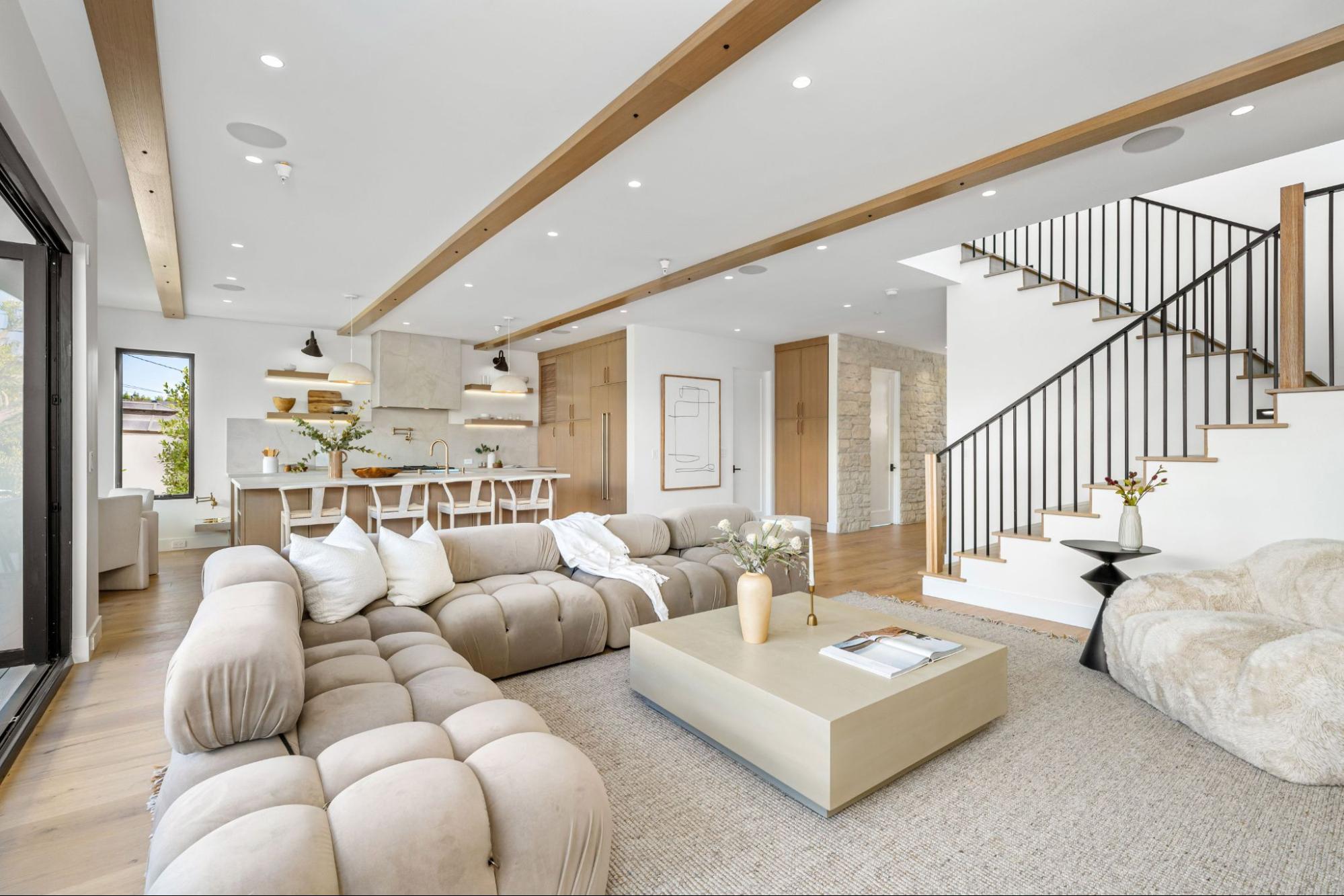
Style Your Space with Home Furniture
An inviting home begins with purposeful choices, expressive elements, and a layout that feels both functional and visually appealing. Spaces transform quickly when guided by clear design direction, making it easier to express personality while ensuring the room remains cohesive. A well curated environment can elevate the daily experience, especially when shaped with an understanding of how to arrange furnishings with intention. The journey becomes smoother with space styling tips that encourage creativity while keeping practicality in mind.
Furniture as the Anchor of the Room
Furniture establishes the primary rhythm of any interior. The way each piece is positioned determines how energy flows, how people move, and how comfortable the environment feels. Large items often set the tone. A sofa, dining table, or bed becomes a visual anchor that influences everything else. When these foundational pieces are chosen wisely, the rest of the room harmonizes more naturally.
A balanced room requires observing proportions. Oversized furniture in a compact area can overwhelm the layout. On the other hand, tiny pieces in a large room can make the area feel vacant or underdeveloped. Achieving equilibrium ensures the entire space feels coherent and thoughtfully arranged.
Color Coordination that Supports Mood
Color plays an influential role in shaping atmosphere. Thoughtful coordination between furniture and surrounding elements creates a sense of unity. Warm tones encourage comfort and familiarity. Cooler tones allow the room to feel more open, airy, and calm.
By echoing similar hues between upholstery, curtains, and accent items, the space gains visual continuity. This consistency brings refinement while also making the environment feel intentionally curated.
Layering Textures for Sophisticated Depth
Texture elevates the sensory appeal of a room without relying on complicated design features. A space becomes more dynamic when materials differ yet complement one another. Smooth leather paired with woven fibers. Soft cotton placed near glass, marble, or polished wood. These variations add depth and enrich the tactile experience.
Layering does not require excess. A few strategically selected textures can dramatically enhance the environment. Each layer introduces subtle distinction while maintaining cohesion.
Multi Functional Pieces that Maximize Efficiency
Modern homes benefit from furniture that serves more than one purpose. Storage ottomans, extendable tables, modular shelves, and convertible seating all provide versatility. These pieces allow the room to adapt to daily demands while preventing clutter and maintaining flow.
A home that embraces multi functionality often feels more spacious because items work harder without adding visual noise. This approach supports minimalism while ensuring convenience.
Strategic Layouts that Encourage Natural Flow
A well styled room always respects movement pathways. Furniture placement should never hinder circulation. Instead, it should guide people intuitively. Chairs angled toward each other encourage conversation. A coffee table centered between seats offers balance. Proper spacing around the dining area ensures comfort during gatherings.
The goal is to build a layout that feels effortless. When furniture supports natural behavior patterns, the room becomes both functional and enjoyable.
Elevating Aesthetics with Accent Pieces
Accent furniture brings personality to an otherwise neutral foundation. Side tables, benches, stools, and display units offer opportunities for expression without overwhelming the main narrative. These smaller items hold significant design potential when placed thoughtfully.
Accent pieces can highlight color themes, reinforce style direction, or introduce unique shapes that add interest. Their presence enhances the environment in subtle yet meaningful ways.
Lighting Choices that Transform the Room
Lighting holds the power to shift the entire mood of a space. Well chosen fixtures do more than illuminate. They shape ambiance and influence how furniture appears. Soft diffused lighting enhances comfort while directional lighting highlights key features.
A layered lighting concept introduces sophistication. Ambient lighting sets the base. Task lighting brings practicality. Accent lighting elevates décor or architectural elements. Combined, they deliver depth and visual clarity.
Decorative Elements that Complement Furniture
Small décor items support the narrative created by furniture. Vases, sculptures, trays, and cushions each serve as enhancements when selected with intention. These pieces should integrate smoothly with the materials and palette already present.
Even modest additions can influence how the room feels. A textured throw on a structured sofa adds warmth. A sleek vase on a wooden table introduces contrast. Each detail contributes to the overall identity of the space.
The Importance of Consistency and Editing
A beautifully styled home benefits from periodic review. Editing the environment ensures the room does not become stagnant or overcrowded. Removing pieces that no longer fit the design vision makes space for elements that enhance the environment more effectively.
Consistency also strengthens aesthetic clarity. When the room maintains its visual direction, it becomes easier to build upon and refine over time.
Final Thoughts
Styling a home with furniture is both an art and a strategy. Thoughtful choices shape environments that feel polished, welcoming, and expressive. Furniture provides structure, lighting enhances mood, and décor instills personality. When blending these elements with care and purpose, any space can evolve into a beautifully balanced reflection of personal taste.