
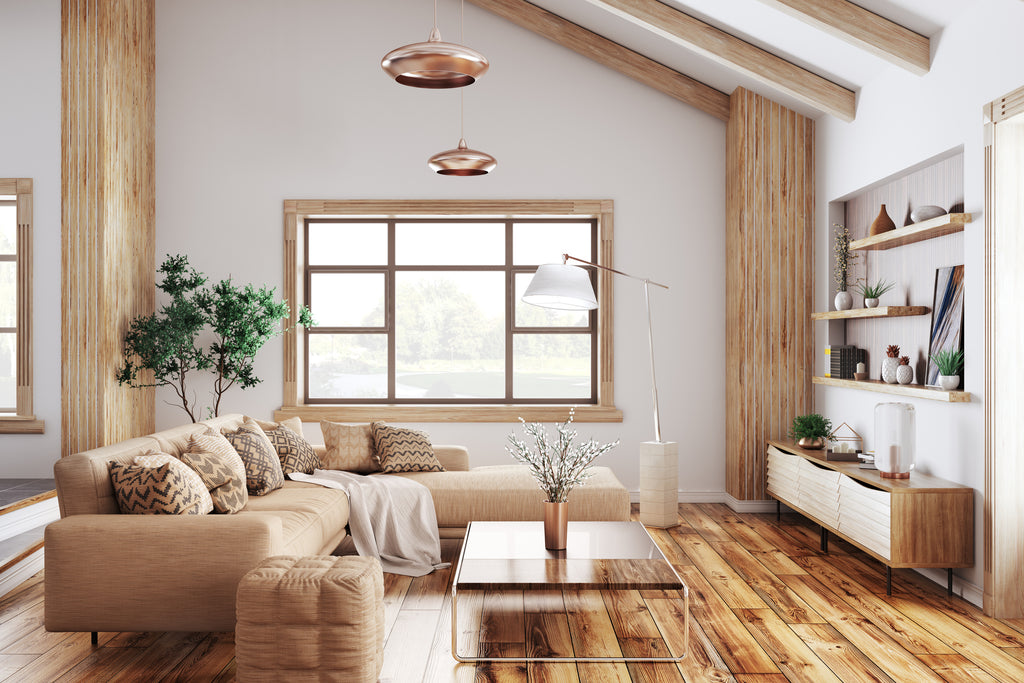
Transform Your Layout Using Home Furniture
Every home has untapped potential, waiting for the right approach to unlock it. Furniture is more than just functional—it can redefine how a space feels, flows, and interacts with its occupants. By applying strategic choices, a room can feel entirely renewed, guided by a layout transformation guide that balances practicality, aesthetics, and personal style.
Understanding the Role of Spatial Flow
The first step in any layout transformation is grasping how movement occurs within the room. Circulation paths dictate comfort, accessibility, and usability. When furniture is placed without consideration for flow, even the most elegant items can feel cumbersome. By analyzing how people navigate the space, it becomes easier to arrange seating, tables, and storage to create a seamless experience.
Floating furniture away from walls can surprisingly open up a room. It invites natural pathways and encourages conversation. Anchoring key pieces in central locations establishes balance while defining distinct zones without adding barriers.
Foundational Pieces as Anchors
Core furniture pieces—sofas, beds, dining tables—set the rhythm for the entire layout. Their scale and positioning influence everything else. Choosing statement pieces with clean lines and proportionate dimensions ensures harmony. A well placed sofa not only offers comfort but also defines the main social zone. Similarly, a dining table centrally aligned creates structure for mealtime activities and gatherings.
Strategic orientation of these pieces shapes sightlines, leading to rooms that feel open and purposeful. A single foundational adjustment can trigger a dramatic perception shift, making the space feel larger or more intimate depending on need.
Multifunctional Furniture for Dynamic Spaces
Flexibility is essential for modern homes. Multifunctional furniture allows spaces to evolve with changing requirements, supporting both utility and aesthetic appeal. Modular sofas, nesting tables, and storage ottomans provide options for layout experimentation. Beds with built in storage or desks that fold away encourage efficient use of square footage.
When pieces are versatile, a room can be adapted without a complete redesign. This adaptability forms the backbone of a successful layout transformation.
Zoning and Purposeful Arrangement
Defining zones within a room ensures clarity and cohesion. Separate areas for lounging, dining, or working prevent chaos and enhance functionality. Area rugs, low dividers, and furniture groupings signal boundaries naturally. Angled chairs or clustered seating invite conversation, while clear pathways maintain openness.
Zoning also allows for layering of textures and colors within each section, reinforcing purpose while keeping visual interest high. Properly executed, these subtle divisions make a room feel larger, organized, and intentional.
Proportion, Scale, and Visual Balance
Balance is essential for aesthetic appeal. Oversized furniture can overwhelm, while pieces too small can look lost. By harmonizing proportions across seating, tables, and storage units, the room achieves equilibrium. Verticality can be leveraged with tall shelving or bookcases, drawing the eye upward. Low horizontal surfaces stabilize the layout and provide contrast.
Visual balance contributes to psychological comfort. A room that feels proportioned promotes relaxation, while awkwardly sized arrangements create tension and disrupt flow.
Integrating Accent Furniture and Details
Accent pieces—side tables, stools, benches—play a pivotal role in refining a layout. These items add function, fill gaps, and introduce personality without crowding the main floorplan. Sculptural forms, contrasting materials, or unexpected colors can draw attention and highlight focal areas.
Even small items impact perception. A strategically placed mirror doubles visual space. A slim console behind a sofa enhances depth. Thoughtful integration of these elements contributes to a holistic layout transformation.
Lighting and Its Impact on Layout Perception
Furniture arrangement and lighting are interconnected. Proper illumination enhances depth, highlights zones, and accentuates textures. Layered lighting—combining ambient, task, and accent sources—ensures each area is functional and visually appealing. Floor lamps, sconces, and pendant lighting guide the eye, subtly emphasizing pathways and focal points.
Reflections from polished or mirrored surfaces amplify natural and artificial light, further contributing to an expanded sense of space. Lighting should complement furniture placement rather than fight it.
Seasonal and Functional Adaptability
A successful layout transformation accommodates change. Rooms must adapt to seasonal activities, gatherings, or evolving lifestyles. Modular and movable pieces allow for easy reconfiguration. Rotating furniture positions, swapping cushions, or introducing temporary accent pieces keeps the space dynamic and engaging.
Adaptability also encourages experimentation. A room can feel entirely new without replacing major furniture, allowing for ongoing refreshment and evolution.
Cohesion Through Rhythm and Repetition
Repetition of color, material, or shape across furniture pieces ties the room together. Rhythm in arrangement—mirrored placements, evenly spaced seating, or aligned shelving—creates visual continuity. This coherence reinforces the perception of intentionality, making even a complex layout feel simple and approachable.
Even when mixing styles or textures, maintaining a unifying thread prevents chaos. A cohesive palette or complementary material choice ensures harmony throughout the transformation.
Final Thoughts
Transforming a layout with home furniture is both an art and a strategic endeavor. Thoughtful placement, proportionate scaling, and functional versatility can make any space feel revitalized. By focusing on flow, zoning, and accent integration, a room becomes more inviting, balanced, and expressive. Guided by a layout transformation guide, the home evolves into a living environment that is dynamic, stylish, and effortlessly functional, turning ordinary interiors into spaces that inspire daily enjoyment.