
Safety Essentials Backed by Home Security
Creating a home that feels secure and inviting requires more than instinct and basic precautions. By following a safety essential guide, homeowners can establish a living environment where protection is comprehensive, seamless, and reliable. Effective home security integrates technology, physical safeguards, and informed habits to provide peace of mind while maintaining comfort and convenience.
Securing Entry Points
The first line of defense in any home begins with doors and windows. Reinforced doors, high-quality locks, and tamper-resistant hinges are essential to prevent unauthorized entry. Windows, especially sliding or easily accessible ones, should feature secondary locks or security bars. Motion-activated lighting at entrances illuminates pathways and signals active protection. These fundamental measures form the foundation of safety essentials, ensuring that homes are guarded from common vulnerabilities.
Surveillance and Monitoring
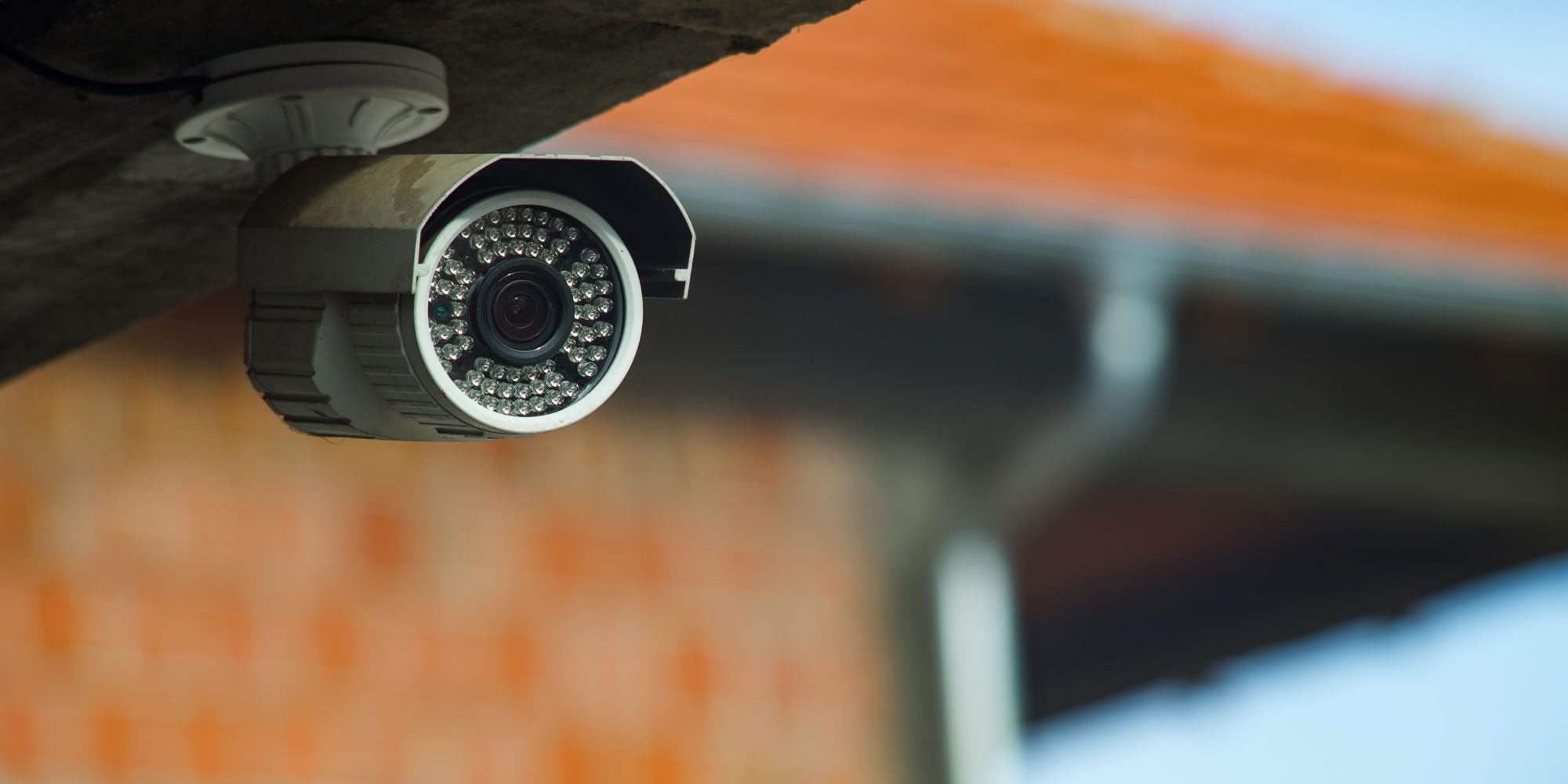
Modern surveillance systems provide constant vigilance and a sense of oversight. Cameras with night vision, motion detection, and remote access allow homeowners to monitor their property in real time. Alarm systems integrated with cameras deliver instant notifications when unusual activity is detected. The visibility of cameras also discourages potential intruders, creating a psychological barrier. Combined, these systems establish a proactive security environment where threats are addressed before they escalate.
Smart Home Integration
Smart home technology enhances security without adding complexity. Smart locks, automated lighting, and environmental sensors allow remote monitoring and control. Scheduling lights to simulate occupancy, remotely locking doors, and receiving instant alerts on unusual activity ensures continuous protection. Integrating these tools into daily routines transforms security into an intuitive experience that blends seamlessly with everyday life.
Physical Barriers and Reinforcements
Technology alone cannot replace the value of tangible protection. Window grilles, reinforced doors, and gated entries act as physical deterrents. Security signage or decals amplifies their psychological impact, signaling that the property is actively protected. Layering physical and technological defenses strengthens the home’s overall security framework, ensuring that safety measures are not reliant on any single point of protection.
Household Preparedness
A well-protected home depends on knowledgeable residents. Educating household members on alarm functions, emergency procedures, and evacuation plans fosters confidence and swift responses during crises. Regular drills familiarize occupants with potential scenarios, reducing panic and improving effectiveness. Engaged and informed residents create a resilient home environment, supporting every other layer of protection outlined in the safety essential guide.
Routine Maintenance
Even the most advanced security systems require consistent maintenance. Locks should be lubricated, cameras cleaned, and alarms tested regularly. Smart devices need software updates to prevent vulnerabilities and maintain functionality. Scheduling routine inspections ensures that security measures operate reliably, reinforcing the home’s status as a secure and well-maintained sanctuary.
Mindful Daily Practices
Daily behaviors significantly influence home safety. Avoiding predictable routines, keeping valuables out of sight, and managing personal information shared online are simple but effective strategies. These practices complement physical and technological safeguards, adding an additional layer of vigilance. Integrating these habits into everyday life ensures that protection is continuous and unobtrusive.
Community and Neighborhood Engagement
Security extends beyond individual households. Neighborhood watch programs, shared communication networks, and informal alert systems increase collective vigilance. Prompt reporting of unusual activity strengthens protection for all residents and fosters a supportive community environment. Collaborative safety measures amplify the effectiveness of individual home security efforts.
Financial and Insurance Considerations
Comprehensive safety includes financial preparedness. Insurance coverage for theft, property damage, or environmental hazards provides reassurance and mitigates potential losses. Many insurance providers offer reduced premiums for homes equipped with verified security systems, combining financial prudence with physical protection. Integrating financial safeguards ensures that the safety essential guide covers all aspects of risk management.
Creating a Secure and Serene Home
Ultimately, safety essentials backed by home security create an environment where residents feel confident and protected. By combining smart technology, physical barriers, informed habits, and community engagement, homeowners establish a resilient and comfortable living space. Each component, from advanced surveillance to mindful daily practices, contributes to a cohesive and reliable security framework.
A home fortified with these measures allows families to focus on their daily lives without constant concern. Security becomes a seamless, ongoing aspect of life rather than a reactive task. Implementing the strategies outlined in a comprehensive safety essential guide ensures continuous vigilance, tangible protection, and lasting peace of mind.