
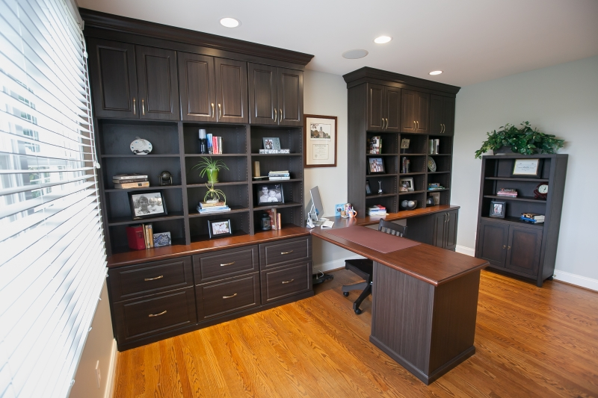
Storage Solutions Built with Home Organization
A well-organized home relies heavily on efficient and practical storage systems. Without intentional planning, belongings can accumulate in random spaces, creating clutter and stress. Thoughtful storage not only preserves order but also enhances the functionality and aesthetic appeal of a home. By utilizing a storage solution guide, homeowners can identify, implement, and maintain systems that maximize space, simplify routines, and make every item easily accessible.
Assessing Storage Needs
The first step in developing effective storage solutions is understanding the specific requirements of each room. Analyze how each space is used daily, which items are essential, and where clutter tends to accumulate. High-traffic areas such as kitchens, living rooms, and entryways often require more robust systems. By assessing these needs carefully, homeowners can design storage strategies that are both practical and tailored to their unique lifestyle.
Decluttering Before Storing
Effective storage begins with decluttering. Remove items that are no longer necessary, broken, or seldom used. Decluttering frees up valuable space, making storage more functional and efficient. Categorizing belongings into keep, donate, and recycle piles ensures that only essential items occupy storage units, reducing visual noise and promoting organization.
Maximizing Vertical Space
Vertical storage is a key strategy for optimizing home organization. Tall shelving units, wall-mounted racks, and overhead cabinets allow items to be stored efficiently without occupying floor space. Vertical solutions are especially effective in small rooms, creating an impression of openness while accommodating a substantial amount of belongings.
Multi-Functional Storage Furniture
Furniture that doubles as storage is a practical solution for maintaining order. Storage ottomans, beds with drawers, and benches with hidden compartments integrate function with design. These pieces keep everyday items within reach while maintaining clean lines and uncluttered surfaces, supporting both aesthetics and usability.
Categorization and Grouping
Organizing belongings by category simplifies retrieval and prevents items from scattering. Use bins, baskets, or labeled containers to group similar objects, such as books, office supplies, or toys. Categorization reduces time spent searching for essentials and enhances the visual coherence of storage areas, making the home appear more organized and harmonious.
Accessibility and Convenience
Storage should prioritize accessibility, particularly for frequently used items. Arrange high-use belongings at eye level or in easily reachable spaces, while less-used items can occupy higher or lower areas. This thoughtful placement ensures efficiency in daily routines and minimizes the frustration of constantly moving or searching for items.
Hidden Storage Techniques
Concealed storage is invaluable for maintaining a clean and uncluttered aesthetic. Cabinets, under-bed drawers, and built-in wall units allow items to be stored out of sight yet remain readily accessible. Hidden storage keeps surfaces clear and enhances the overall sense of order, creating a visually appealing and functional environment.
Customizable Systems
Modular storage solutions offer flexibility to adapt to changing needs. Adjustable shelving, stackable bins, and modular cubes allow homeowners to reorganize spaces as requirements evolve. Customizable systems ensure that storage remains efficient and scalable, accommodating new belongings without sacrificing order.
Incorporating Decorative Elements
Storage does not need to sacrifice style for function. Decorative boxes, attractive baskets, and color-coordinated containers enhance the aesthetic appeal of storage areas. Combining beauty and practicality encourages consistent use of organizational systems and integrates storage seamlessly into the overall interior design.
Optimizing Small Spaces
Even compact areas can be transformed with smart storage. Utilize corners, under-stair spaces, or behind-door organizers to maximize every inch. Slim shelving units, hanging racks, and foldable solutions increase capacity without crowding the room. Optimizing small spaces ensures that the home remains functional and uncluttered, even with limited square footage.
Seasonal and Rotational Storage
For items not needed year-round, consider rotational storage systems. Clear bins or labeled containers in closets, attics, or basements allow seasonal items to be stored efficiently and retrieved when required. Rotational storage reduces clutter in everyday spaces while maintaining easy access to off-season belongings.
Maintenance and Consistency
The key to lasting organization lies in consistent maintenance. Establish regular routines for tidying and reassessing storage areas to prevent clutter from returning. Encourage all household members to return items to their designated spots and maintain the order established by the storage solution guide.
Sustainable and Long-Term Planning
Effective storage solutions are designed with the long term in mind. Invest in durable, high-quality materials and adaptable systems that can evolve with lifestyle changes. Sustainable planning ensures that storage remains functional, practical, and visually appealing for years, reducing the need for frequent overhauls or replacements.
Through careful assessment, decluttering, vertical optimization, multi-functional furniture, and consistent maintenance, homeowners can create storage solutions that support both organization and aesthetics. Utilizing a storage solution guide transforms homes into orderly, efficient spaces where everything has a place. Well-planned storage not only enhances daily routines but also fosters a sense of calm and clarity, making the home both functional and inviting.