Hidden Water Waste: How to Find a Leak Before It Finds Your Floor

Most serious water damage begins as a small, silent loss. A meter reading, a dye tablet and twenty minutes of methodical isolation can find it while it is still a repair rather than a rebuild.
Water damage rarely announces itself. A failed toilet flapper can waste hundreds of litres a day without a sound. A pinhole leak in a supply pipe can dampen a wall for months before the paint blisters. By the time the problem is visible, the repair usually involves more than the pipe.
The good news is that most hidden leaks can be narrowed down with tools every homeowner already has: the water meter, a torch, some dye and a little patience. The method is to stop all water use, confirm the meter is still moving, then isolate sections until the movement stops. That isolation logic is the whole game.
Read your meter like a diagnostic tool
Find the main water meter, usually at the boundary or in a service cupboard. Note the reading, then shut off every tap, appliance and outdoor outlet. Do not use water for the next hour or two — including the toilet, the dishwasher and the garden tap.
Read the meter again. If the dial has moved, water is passing through the system. On many meters the leak indicator is a small star or triangle that rotates even at low flow; a slow rotation is often enough to confirm a loss.
Before assuming a pipe leak, rule out legitimate background use:
- An irrigation controller running a cycle.
- A water softener regenerating.
- A boiler or heat pump topping up.
- An ice maker or filtered-water tap with a slow feed.
- A toilet cistern refilling intermittently.
Repeat the test at a time when nothing is scheduled. A two-hour overnight test is more reliable than a ten-minute check.
Toilets, taps and the easy wins
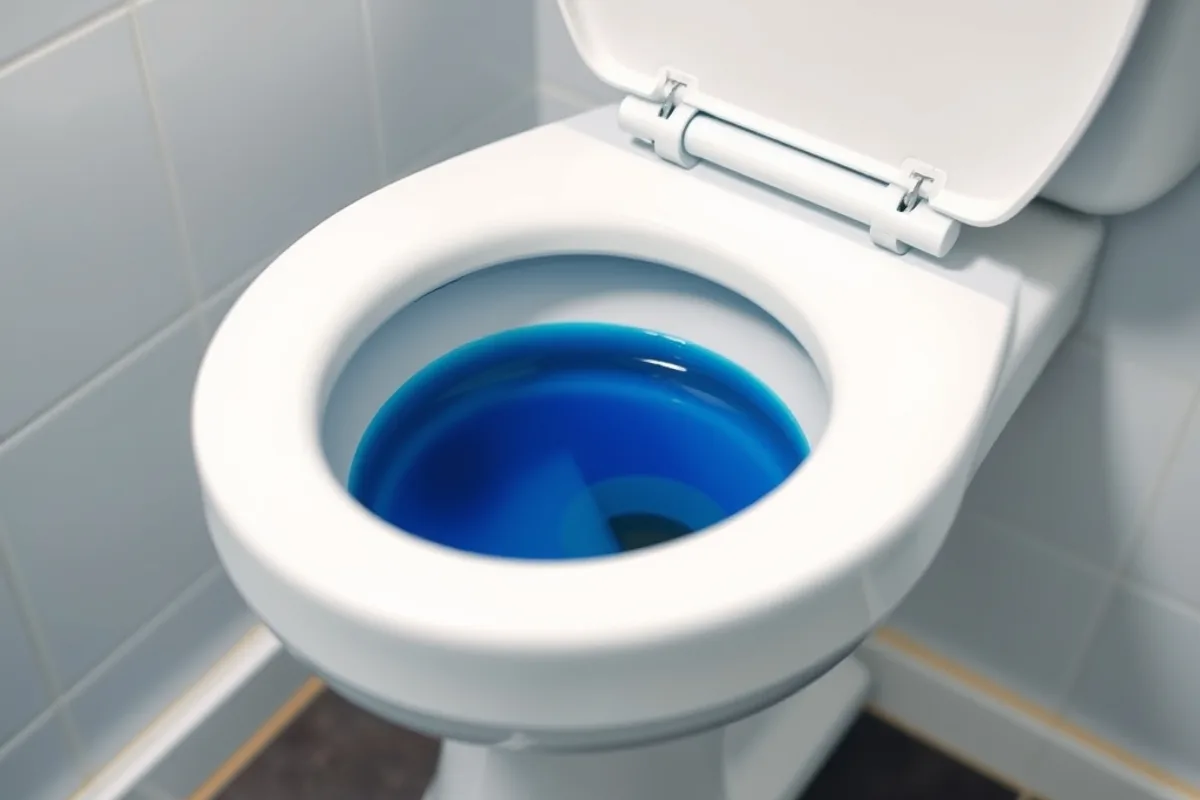
Toilets are the most common source of silent waste. Put a few drops of food dye in the cistern, wait fifteen minutes without flushing, and look in the bowl. Colour in the bowl means the flapper or valve is passing. A worn flapper is inexpensive and usually easy to replace; a fill valve that drips or fails to shut off is a slightly bigger job but still routine.
Check the overflow and the cistern water level. Water running into the overflow is often a sign of a misadjusted float. Also listen for the cistern refilling when nobody has used it — that periodic hiss is a classic flapper leak.
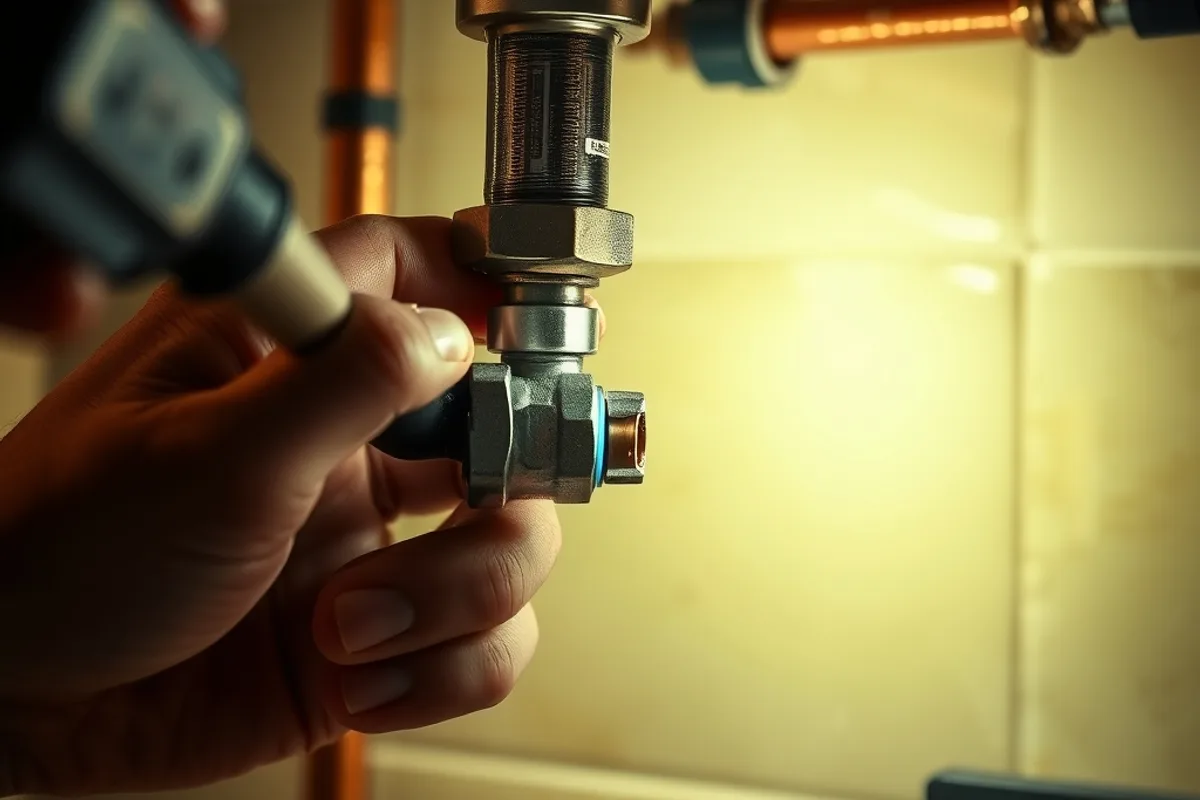
Taps and shower valves are next. A dripping tap is visible, but a leak under the sink or behind a bath panel is not. Look for staining, soft board, musty smells and calcium deposits around connections. Flexible connectors and compression fittings are frequent culprits. Tighten gently; over-tightening can split a seal.
Appliances deserve a check too. The washing machine hoses, dishwasher inlet and fridge water line are all under pressure. Look for bulging hoses, corrosion at the coupling and water marks on the floor. Replace rubber hoses with braided ones where appropriate, and check the seals when you move an appliance.
Irrigation and outdoor lines
Outdoor leaks are easy to miss because the water disappears into soil. If the meter test shows a loss, isolate the garden circuit at its valve and repeat. A zone valve that will not close fully is itself a finding.
Walk the irrigation lines while the system is running and look for soft ground, unusually lush patches, or a hiss at a sprinkler head. Drip lines are vulnerable to root intrusion and to damage from spades. If the system has a controller, check that the schedule matches the season; a system still running a summer schedule in autumn can look like a leak on the bill.
Outside taps and hose connections freeze in cold climates. A split pipe behind an exterior wall may only leak when the tap is used, which makes it easy to overlook. Fit an isolator indoors so the outdoor line can be drained in winter.
Pressure testing and slab leaks
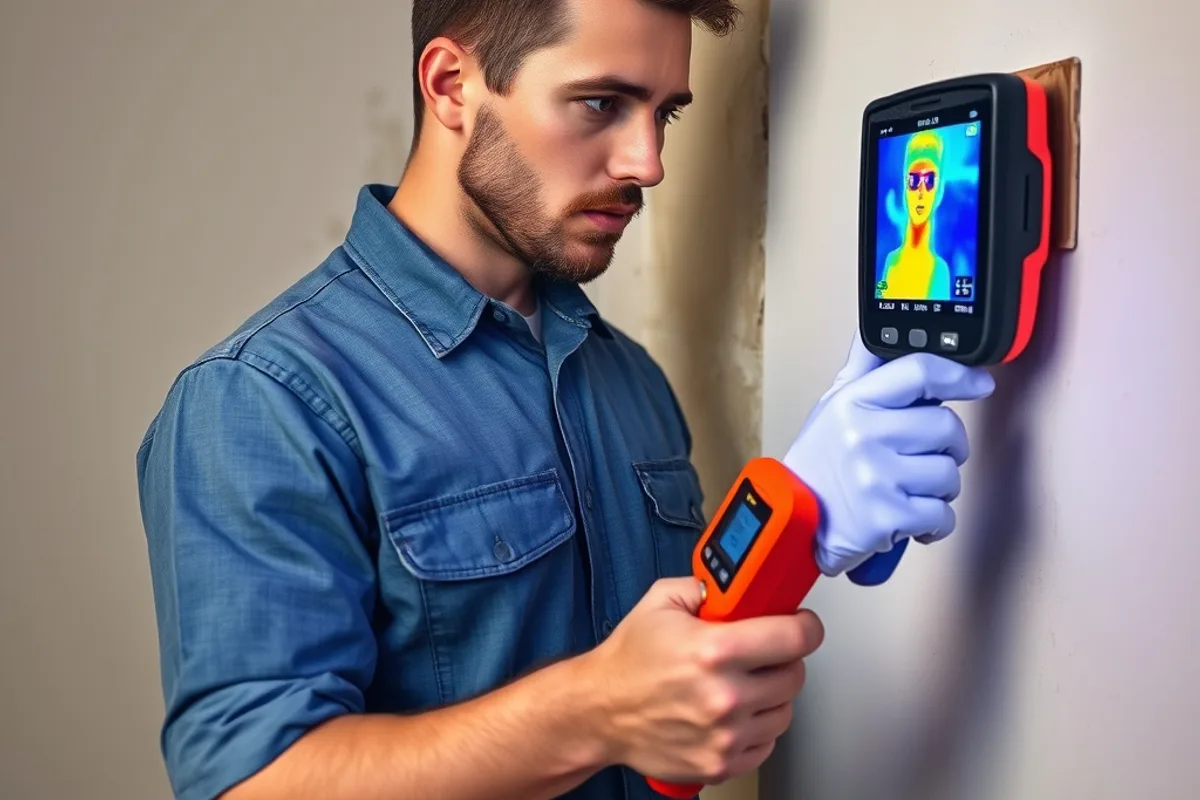
If the meter still moves with every fixture isolated, the loss is likely in the supply pipe between the meter and the house, or in a pipe buried under a floor. A plumber can isolate sections and pressure-test them to locate the failure without unnecessary demolition.
Signs of a slab or underfloor leak include:
- A warm patch on the floor when heating is not running (on a hot-water system).
- Damp patches that reappear after cleaning, or a musty smell in one room.
- Unexplained increases in the water bill or the boiler's top-up frequency.
- Sound of running water when everything is off.
- Cracks or lifting in a solid floor finish.
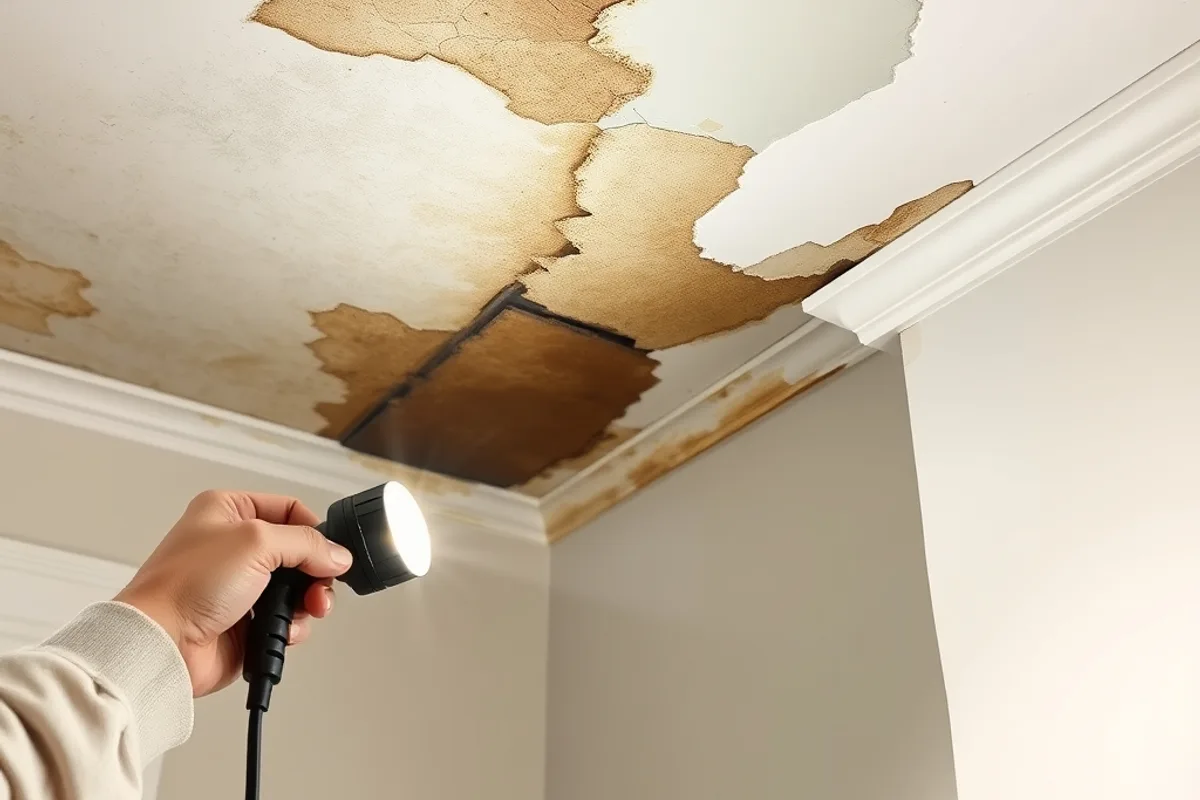
Do not ignore a suspected slab leak. Water under a floor can damage insulation, timber and finishes and create conditions for mould. Early detection usually means a targeted repair; late detection often means replacing a floor.
When to call a plumber
Call a professional if the meter test confirms a loss you cannot isolate, if water is appearing where it should not, if a fitting is corroded or weeping, or if the leak is inside a wall or floor. Also call if you are on a shared supply and cannot isolate your own system safely.
Before the plumber arrives, gather useful information: meter readings and times, which fixtures were isolated, photos of damp patches, and the age of the pipework if known. This shortens the diagnostic visit and reduces the chance of exploratory demolition.
If the leak is active and causing damage, shut off the main valve. Know where it is before you need it, and label it clearly. In a flat or shared building, confirm which valve serves your unit.
The bottom line
Hidden leaks are found by isolation, not intuition. Read the meter with everything off, rule out scheduled water use, test the toilets with dye, isolate the garden, and call a plumber when the loss persists or water is appearing in the structure. Twenty minutes of methodical checking is the cheapest insurance a house can have against a repair that runs into thousands.