Heat Pumps in Older Homes: What to Check Before You Commit
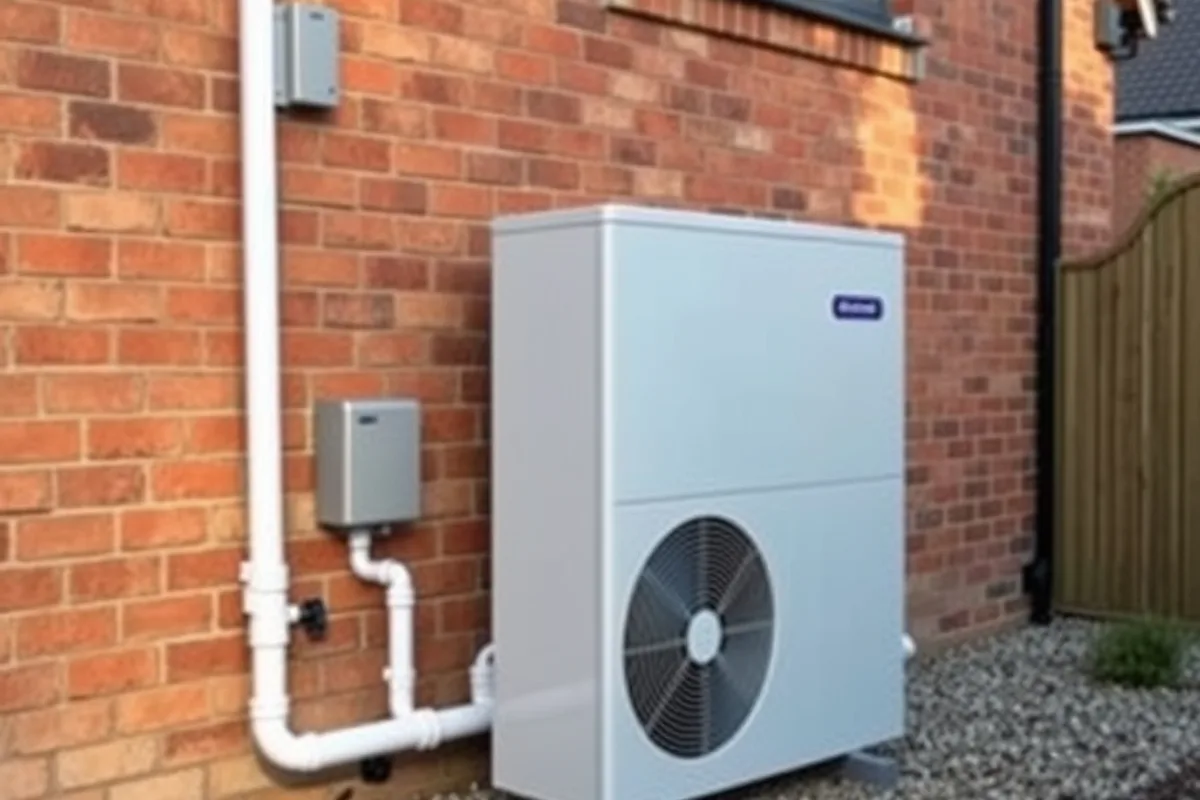
A heat pump can work beautifully in an old house, but not because a salesman says so. The building fabric, the emitters and the electrical supply decide whether the running costs live up to the promise.
Heat pumps are not a new technology, but the conversation around them has become strangely binary. Either they are the obvious answer to every heating question, or they are unsuitable for anything older than a new build. Neither claim survives contact with an actual house.
An older property can be a good candidate, provided the work is planned as a system rather than a boiler swap. The heat pump, the insulation, the radiators, the controls and the electrical supply all have to agree. When they do, the result is comfortable and often cheaper to run. When they do not, the house is cold, the compressor works hard and the owner concludes that heat pumps do not work in old buildings.
What a heat pump actually does
A heat pump moves heat rather than creating it by burning fuel. An air-source unit extracts low-grade heat from outside air and upgrades it to a temperature usable in the house. Because it moves rather than generates, it can deliver several kilowatt-hours of heat for each kilowatt-hour of electricity, depending on outdoor temperature and the temperature the system has to reach.
That last point is the crux. Efficiency falls as the difference between outside air and the water temperature in the heating circuit grows. A system designed to run at 35–45°C is far more efficient than one forced to 65–70°C on a cold morning. Older houses with small radiators often need the higher temperature, which is why the building fabric and the emitters matter as much as the unit itself.
Heat pumps also heat more slowly and steadily than a boiler. They prefer long, low-temperature runs to short bursts of high output. Homes that are cold in the morning because the heating only comes on at 6 a.m. may need a different schedule, not a bigger unit.

Fabric first: insulation and air-tightness
Before sizing equipment, reduce the heat the house loses. This is not only an environmental argument; it is the cheapest way to make a heat pump work at a lower flow temperature.
The priorities depend on the building, but generally:
- Loft and roof insulation. Usually the easiest and most cost-effective measure.
- Draught proofing. Sealing obvious gaps around windows, doors, skirting and service penetrations.
- Wall insulation. Cavity walls are straightforward where the cavity is suitable; solid walls are more complex and need a breathable approach.
- Windows and doors. Double or triple glazing helps, but only after the cheaper measures.
- Ventilation. As a house becomes tighter, deliberate ventilation becomes essential. Do not seal a house without planning how moisture and stale air leave it.
Be cautious with older solid-walled buildings. Materials that trap moisture can cause decay in timber, brick and plaster. The principle is to let the wall dry in the direction it was designed to dry, and to avoid cement renders and impermeable paints on walls that need to breathe. A retrofit assessor with experience of older buildings is worth more than a generic checklist.
Sizing and emitters
A heat pump should be sized from a room-by-room heat loss calculation, not from the old boiler's rating. Oversizing costs more, causes more cycling and can be noisier. Undersizing leaves the house short on the coldest days. The calculation considers construction, glazing, airtightness, ventilation and the design outdoor temperature for the location.
Then check the emitters. Existing radiators may be adequate if they are large enough to deliver the required output at a lower flow temperature. Often they are not, particularly in well-insulated rooms with small radiators installed for a high-temperature boiler. Options include larger radiators, additional units, underfloor heating in renovation areas, or a hybrid approach with a high-temperature heat pump where fabric upgrades are impractical.
Do not accept a quote that does not include a heat loss survey and a room-by-room emitter schedule. A unit selected only by floor area is a guess. Ask for the design flow temperature and what happens on the coldest design day.
Electrical capacity and noise
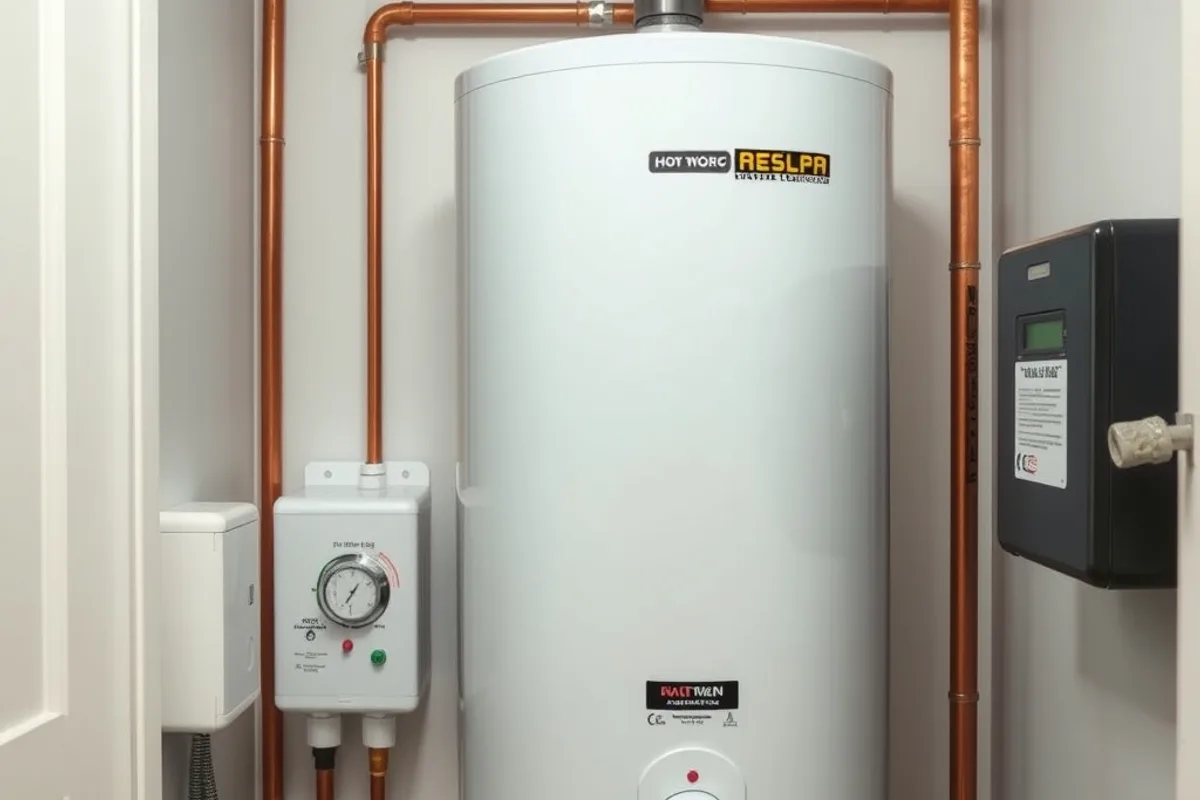
Heat pumps are electrical appliances, and older houses often have limited supply capacity. A typical domestic installation may need a dedicated circuit and, in some cases, an upgraded consumer unit or supply. Check this early with a qualified electrician. Discovering it after the unit is delivered is expensive.
Noise is the other practical constraint. Modern units are quieter than their reputation, but they still produce a low hum and a fan sound. Position the outdoor unit away from bedroom windows and neighbouring boundaries, respect local planning rules, and use anti-vibration mounts where appropriate. A well-installed unit on a solid base is noticeably quieter than a poorly mounted one.
Also plan the pipe route. Long, exposed runs lose efficiency and look untidy. Insulate them properly, protect them from weather and avoid sharp bends that restrict flow. The visual quality of the installation is a fair proxy for the care taken with the rest of it.
Costs, incentives and payback
The installed cost varies widely with the work required: a straightforward replacement in a well-insulated house is one number; a deep retrofit with new radiators, pipework and an electrical upgrade is another. Get itemised quotes that separate the heat pump, the cylinder, the emitters, the electrical work, the commissioning and any making good.
Running costs depend on the price of electricity relative to the fuel being replaced, the efficiency of the installation and the behaviour of the occupants. A heat pump run at a low flow temperature with a well-set schedule can be cheaper than oil or direct electric heating; it may be more expensive than gas in markets where electricity is heavily taxed and gas is not. Model the numbers with current tariffs rather than relying on a headline coefficient of performance.
Check available grants or low-interest loans, but read the conditions. Many require a heat loss survey, minimum efficiency standards or installation by an approved contractor. A grant that forces a poorly designed system is not a saving.
The bottom line
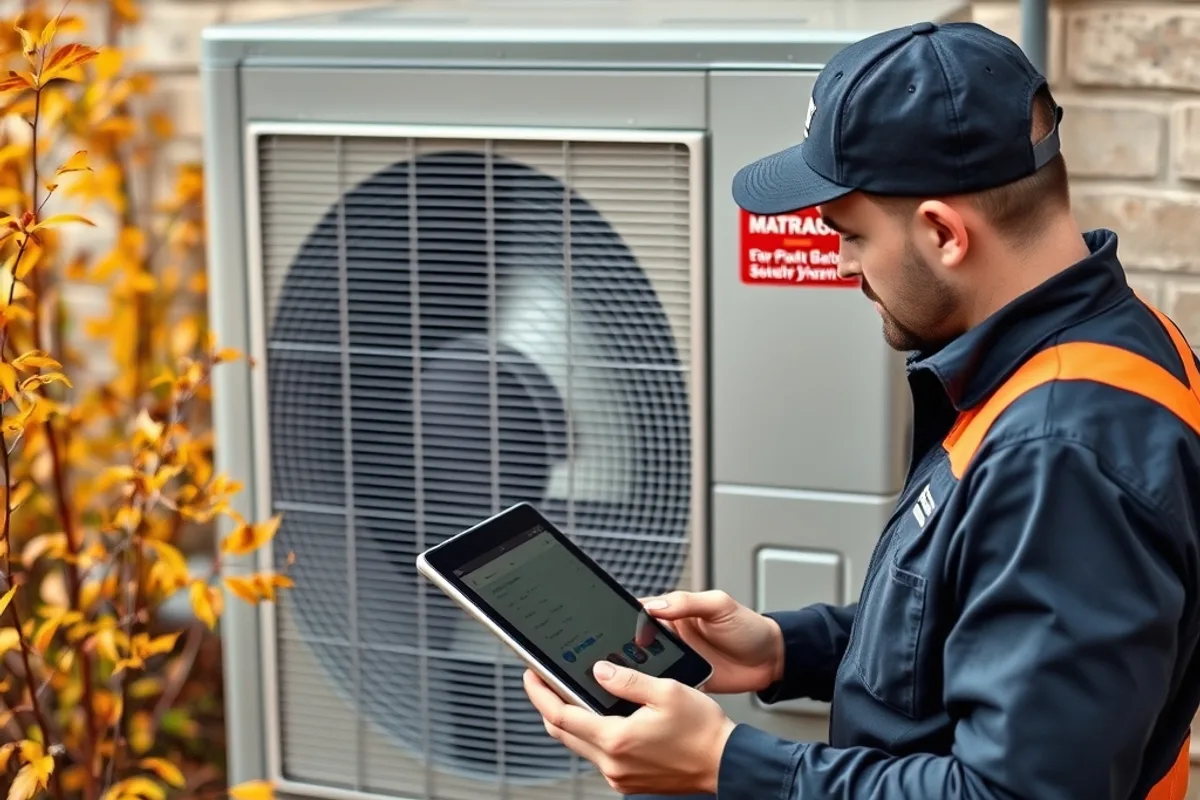
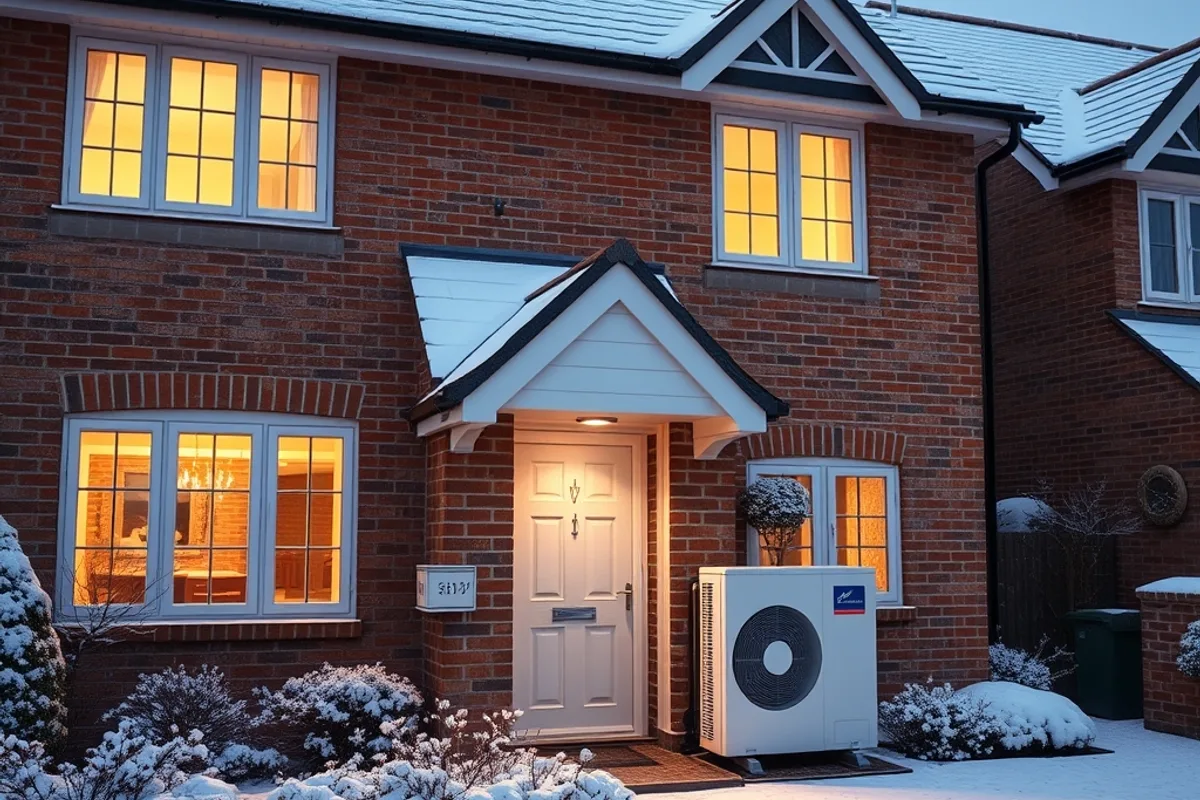
A heat pump is a good fit for an older home when the building is reasonably insulated, the emitters can run at a low temperature, the electrical supply is adequate and the installer designs the system rather than merely supplying a box. Do the fabric work first where possible, demand a heat loss calculation and a clear emitter plan, and compare running costs using your own tariffs. The technology is mature. The variable is the quality of the retrofit around it.