Low-Maintenance Landscaping That Still Looks Designed
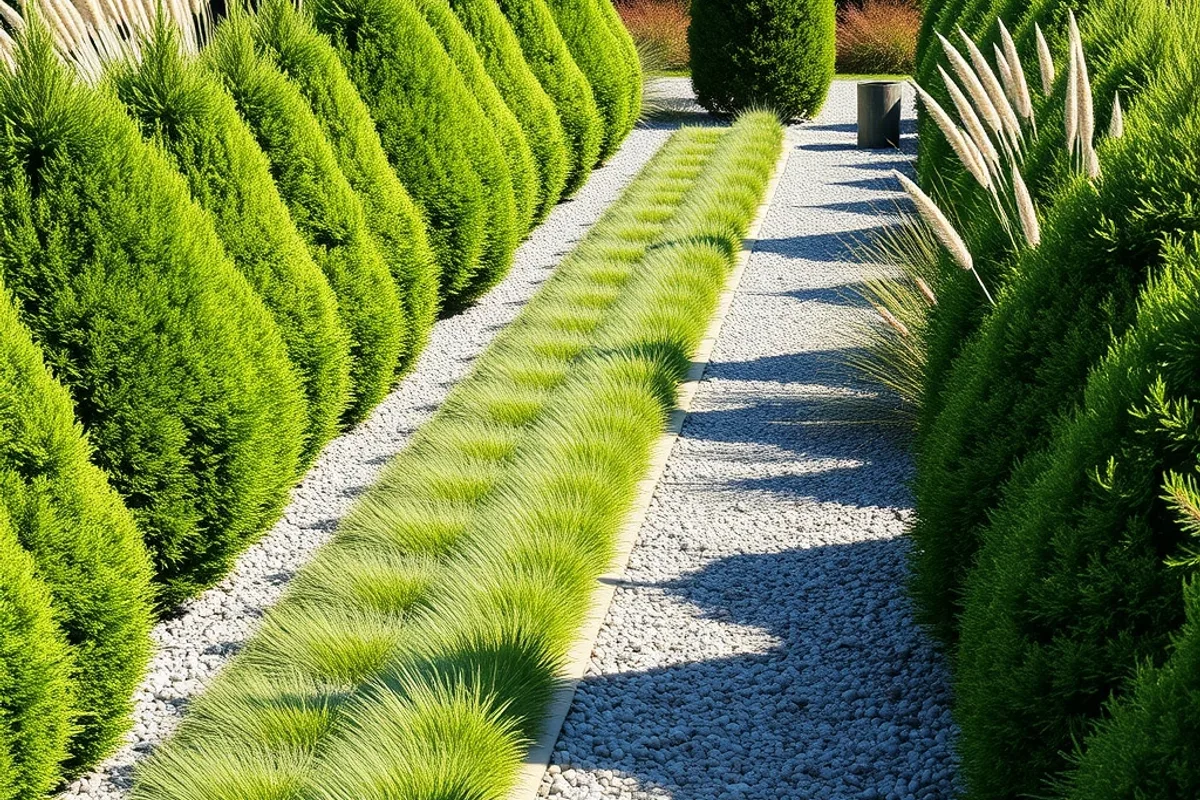
Low maintenance is not the absence of a plan. It is a plan that puts the right plant in the right place, builds structure that lasts through winter, and reduces the work to a few seasonal tasks.
Low-maintenance gardening has a reputation problem. It is often sold as a gravel rectangle with three grasses, or as artificial turf and a robot mower. Both can be tidy. Neither is particularly resilient, and neither gives a house the settled, cared-for look that most owners actually want.
The gardens that need the least work are not the emptiest. They are the ones where the design matches the site, the plants are chosen for the conditions, and the hard structure does most of the visual work. Maintenance then becomes a short list of seasonal jobs rather than a weekly rescue mission.
Design before plants
Start with how the garden is used and viewed. Mark the routes people take, the place where the bin goes, the shady corner where nothing grows, and the window from which the garden is seen most often. A simple bubble diagram is enough. The goal is to decide where structure belongs before choosing a single plant.
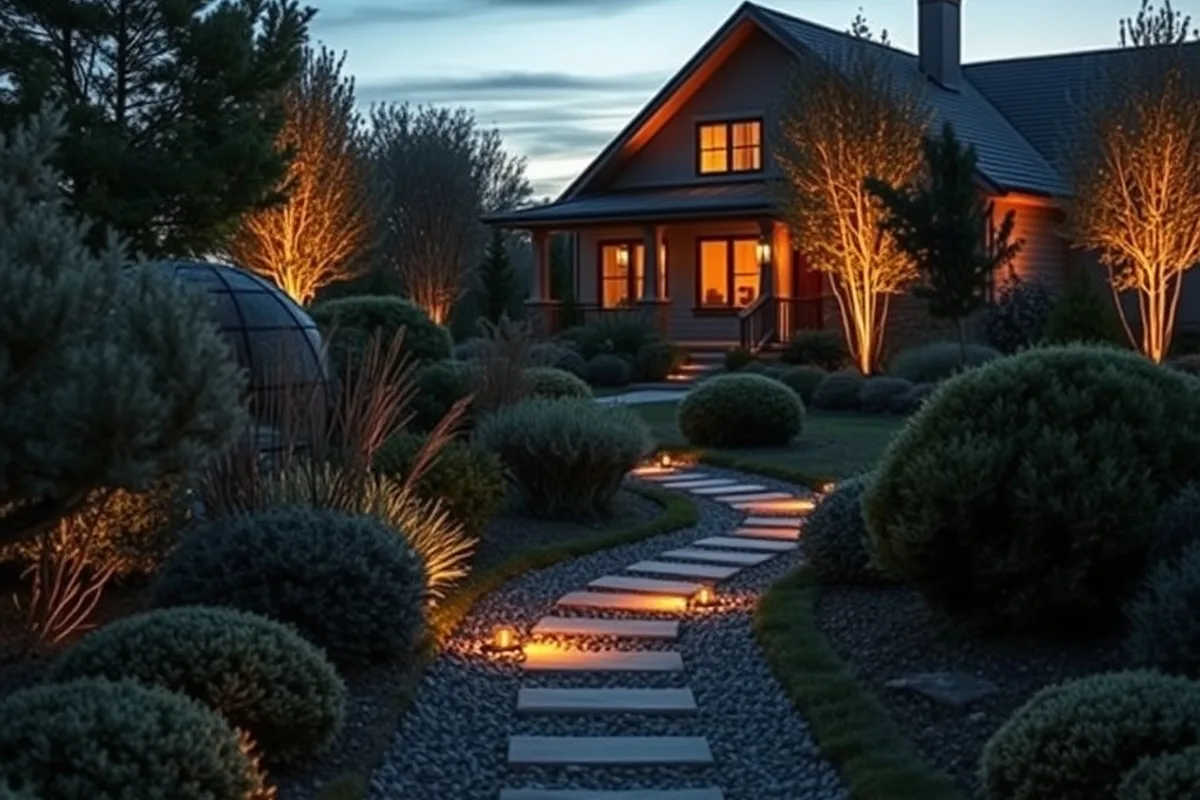
Structure usually means evergreen form, changes of level, a path, a wall, a hedge or a tree. These elements carry the garden through winter and give planting something to lean against. A garden with good structure can survive a bad planting year; a garden made only of perennials looks wonderful in July and empty in February.
Repeat a small number of materials and shapes. One paving family, one gravel, one hedge species, two or three structural shrubs. Repetition is what reads as design rather than accumulation, and it also simplifies maintenance because the same care applies across the garden.
Right plant, right place
Most garden work is created by mismatch. A sun-loving plant in shade needs staking, feeding and replacement. A thirsty plant in a dry border needs watering forever. Before buying, check four things:
- Light: hours of direct sun in summer, and whether the spot is shaded by the house in winter.
- Soil: depth, drainage and pH. A simple drainage test — a spade-sized hole filled with water — tells you more than a label.
- Water: how the spot behaves in a dry fortnight, not in April.
- Space: the plant's final size, including roots. A tree planted 2 m from a drain is a future dispute.
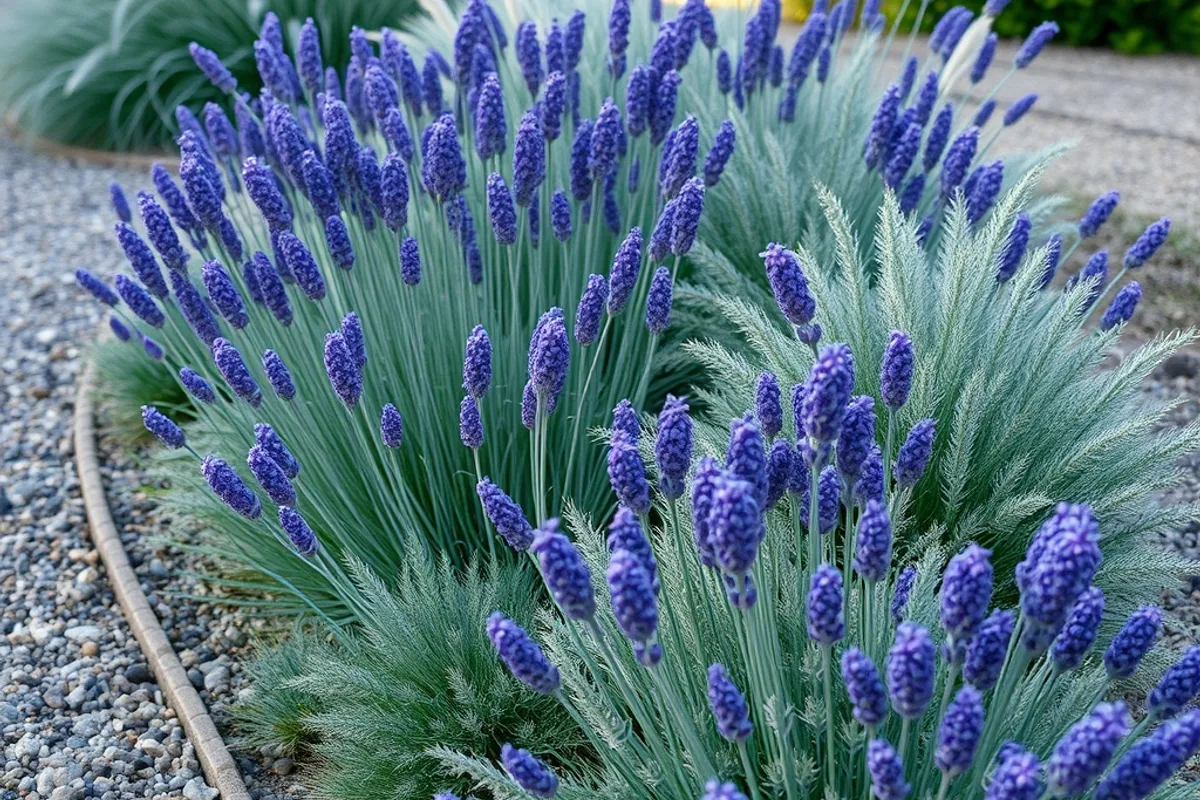
Choose plants that are known to be tough in your climate rather than plants that are merely fashionable. Native and climate-adapted species usually need less water and fewer interventions, but "native" is not a guarantee of drought tolerance. Look at what grows well in nearby gardens with similar soil and exposure.
Group plants by water need. A border that mixes bog lovers and Mediterranean herbs forces you to water the whole border for the thirstiest plant. Hydrozoning — putting thirsty plants together and dry plants together — is the single biggest labour saving in planting design.
Groundcover, gravel and edges
Bare soil grows weeds. Mulch, dense groundcover or gravel all suppress them, but each has a maintenance profile.
Bark mulch is cheap, improves soil and suits informal planting. It needs topping up every year or two and can blow onto paths. Keep it away from the base of woody plants to avoid collar rot.
Gravel is excellent for Mediterranean planting and formal edges, but it collects leaves and fines. Use a geotextile beneath it, keep the depth adequate, and choose a size that does not migrate into the lawn. Gravel also reflects heat, which suits some plants and stresses others.
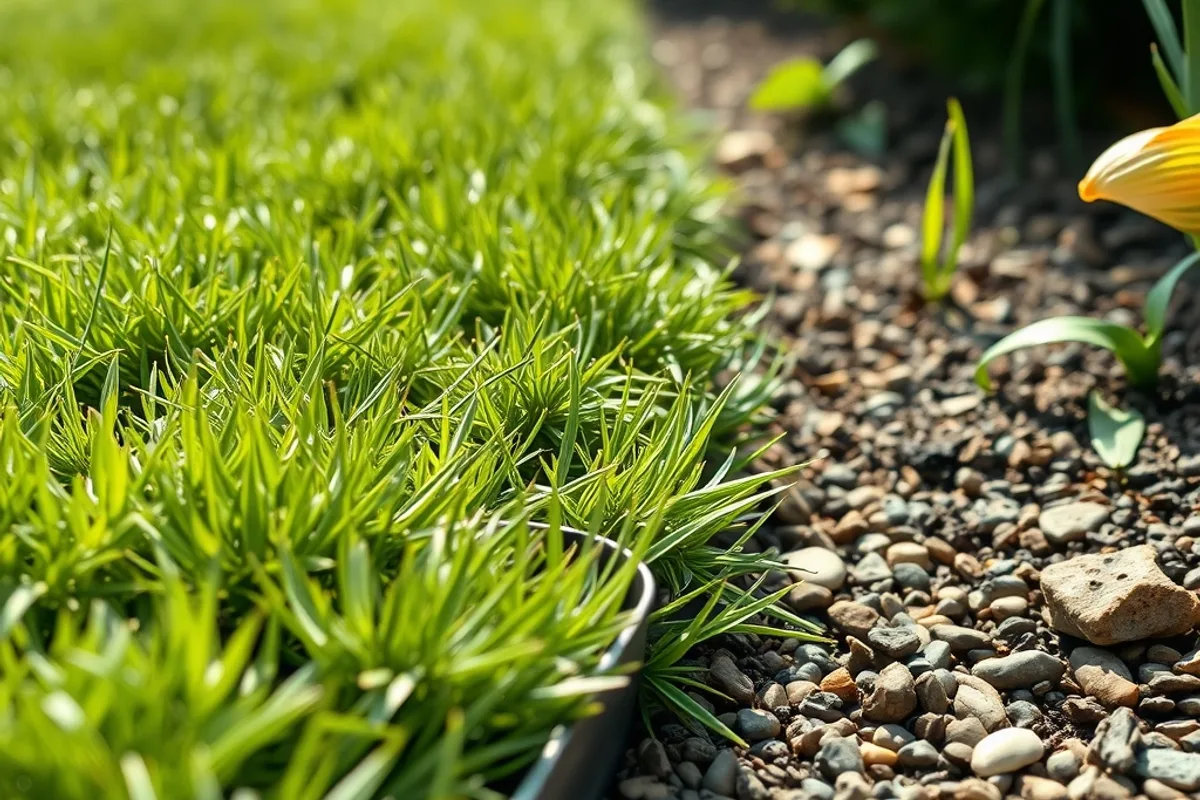
Groundcover plants are the most self-repairing option once established. They need a season or two to knit together and may need hand-weeding at the edges. Choose species that suit the light and do not out-compete the plants you actually want.
Edges matter more than most homeowners expect. A crisp mowing edge, a steel border or a shallow trench separates planting from lawn and reduces strimming. It also makes the garden look maintained even when it is not. Spend a little on a proper edge and the whole garden reads as intentional.
Irrigation and mulch that earn their cost
Hand watering is pleasant for a small garden and unsustainable for a large one. A simple drip or soaker system on a timer is cheap, inconspicuous and far more efficient than a sprinkler. The important part is not the gadget but the schedule: water deeply and less often, in the early morning, and adjust by season rather than leaving the same timer running in October.
Add a rain sensor or a manual override, and check emitters at the start of each season. A drip line that has been buried or disconnected is worse than no system, because it creates the illusion that plants are being watered.
Mulch is the other half of the bargain. A 50–75 mm layer of organic mulch reduces evaporation, moderates soil temperature and suppresses weed seed germination. It also slowly improves the soil, which is the real long-term investment. Keep it topped up, but do not bury crowns or trunks.
If water is metered or restricted, consider replacing lawn in the least-used areas. Lawn is not inherently bad, but a large lawn in a dry climate is a commitment to mowing, feeding and irrigation. Shrinking it to the area actually used for play or sitting is often the most effective low-maintenance decision available.
The seasonal work that still matters
Low maintenance does not mean no maintenance. It means fewer, better-timed tasks. A realistic calendar looks like this:
- Early spring: cut back last year's growth, check irrigation, top up mulch, feed established plants if needed.
- Late spring: weed before seeds set, thin crowded growth, check supports before wind.
- Summer: water deeply during dry spells, deadhead if you want repeat flowering, but leave seed heads for birds where possible.
- Autumn: clear leaves from paths and drains, plant new trees and shrubs while soil is warm, mulch after the ground cools.
- Winter: prune structure, repair edges, plan changes. This is the season for decisions rather than urgent work.
Most of the effort sits in the first two years while plants establish. After that, the garden should ask for less each season, not more. If it is asking for more, the planting is probably fighting the site.
The bottom line
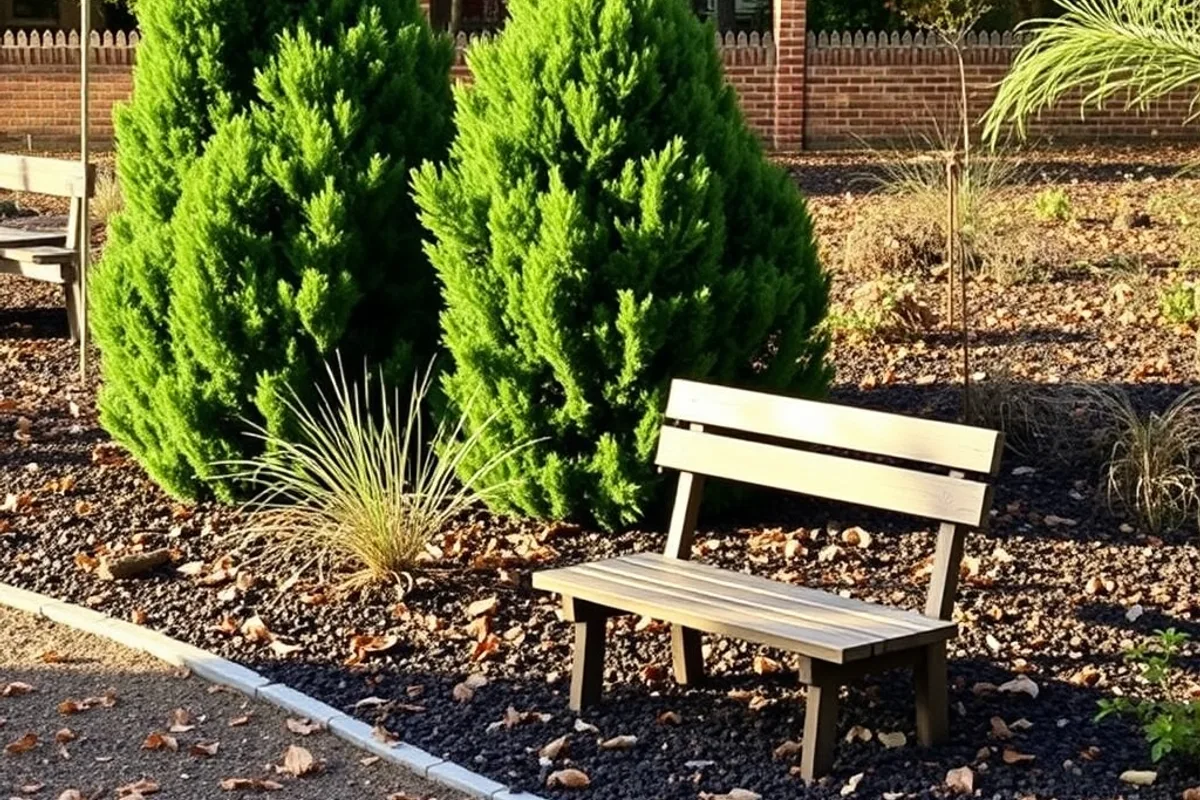
A low-maintenance garden is designed, not abandoned. Decide the structure first, group plants by their needs, use mulch and edges to reduce routine work, and accept that a handful of seasonal tasks will always remain. The reward is a garden that looks deliberate in every month and costs you a few weekends a year rather than every weekend of the summer.