Tile That Survives Real Life: Porcelain, Ceramic and Stone Compared
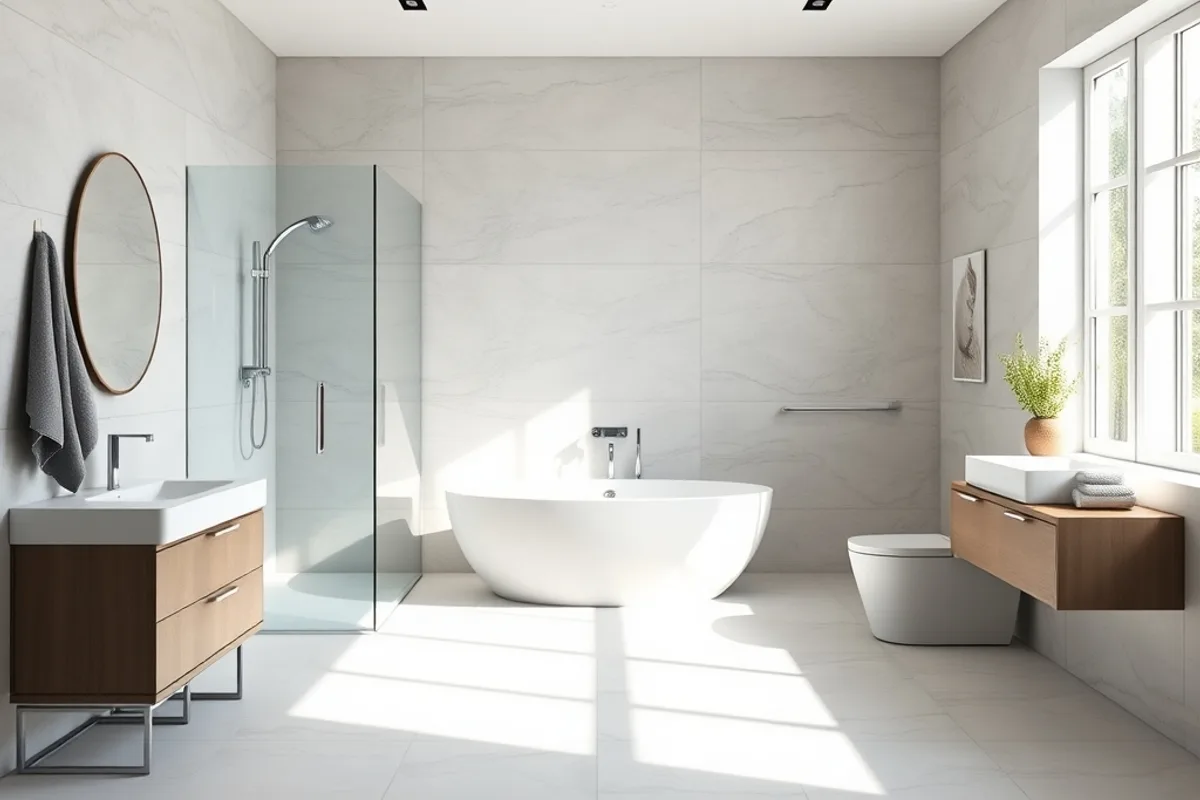
The tile on the sample board is not the tile on the floor. Water absorption, slip rating, substrate and grout decide whether a surface still looks right after five years of family life.
Tiles are sold on appearance, and appearance is the least reliable guide to performance. Two tiles can share a colour and a price and differ in water absorption, edge straightness, breaking strength and slip resistance. The difference does not show on day one. It shows in a wet room, a hallway with grit underfoot, or a kitchen floor that has taken a dropped pan.
The practical choice is not simply porcelain versus ceramic. It is a match between the tile, the substrate, the installation method and the way the room is actually used. Get that match right and most tile lasts decades. Get it wrong and even expensive tile can crack, debond or stain.
Porcelain versus ceramic
The technical distinction is water absorption. Porcelain is typically defined as having an absorption rate below 0.5%, while ceramic tiles absorb more. Lower absorption makes porcelain denser, more frost-resistant and more suitable for wet areas and exteriors. It is also usually stronger and more colour-consistent through the body.
Ceramic is not a low-quality product. It is lighter, easier to cut and often cheaper, and it performs well on interior walls and low-traffic floors. The limitation is porosity: in a shower, a poorly glazed ceramic can absorb water at the edges and in the body, which can lead to staining or failure over time.
Both come in glazed and unglazed forms. Glazed tiles offer colour and stain resistance but can chip to show a different body colour. Full-body porcelain carries colour through the tile, so chips are less visible. For a family floor, full-body or colour-body porcelain is often the more forgiving choice.
Natural stone and its trade-offs
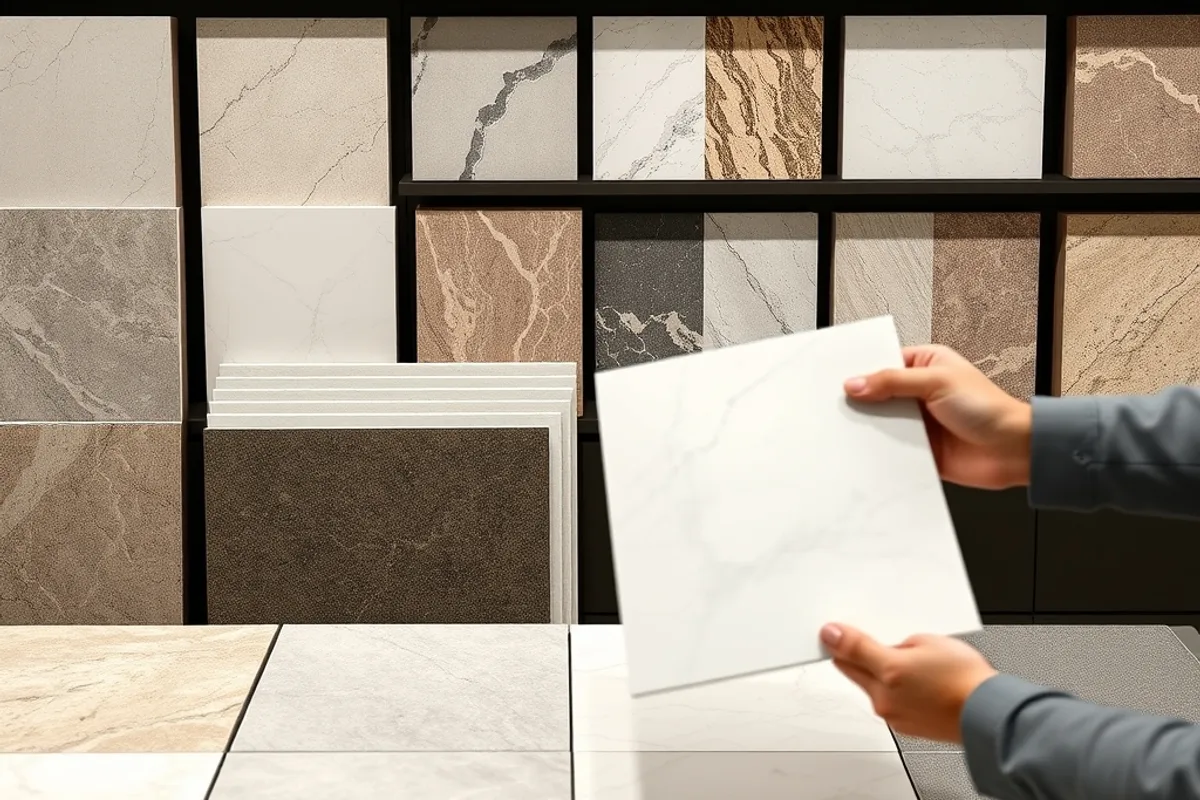
Limestone, travertine, slate, marble and granite bring a depth that printed porcelain struggles to match. They are also variable. Every batch differs, some stones are porous, and many need sealing. That variability is part of the appeal and part of the maintenance.
Marble is beautiful and relatively soft; it etches with acids and stains with oils. Limestone is warm and forgiving underfoot but porous unless sealed. Slate is dense and slip-resistant when riven, but its edges are uneven and installation demands experience. Granite is hard and practical, though heavy and cold underfoot.
Stone is a poor choice for anyone who wants zero maintenance. It needs sealing, pH-neutral cleaning and prompt attention to spills. In a wet area, the stone's absorption and the grout's permeability both matter. A sealed stone with an epoxy grout behaves very differently from an unsealed stone with cement grout.
Cost is not only the tile. Stone is heavier, often needs a thicker substrate, and requires a tiler who understands its movement and cutting characteristics. A cheap stone with an inexperienced installer is an expensive mistake.
Slip resistance and grout
Slip resistance is measured by test methods that vary by country, but the principle is simple: wet floors need texture. Polished porcelain in a bathroom looks luxurious and can be treacherous with soapy water. A matt or textured finish is safer, particularly in showers, entryways and around pools.
Ask for the slip rating and understand what it refers to. A high rating on a dry surface does not guarantee safety when wet. In wet areas, consider smaller tiles with more grout lines for grip, or a textured finish that still cleans easily. Very rough tiles can be uncomfortable underfoot and trap dirt.
Grout is the other half of the surface. Cementitious grout is breathable and forgiving but can stain and crack. Epoxy grout is more stain-resistant and stronger, but less forgiving to install and harder to remove if it cures in the wrong place. In showers and kitchens, epoxy is often worth the extra cost; on a dry interior wall, cement grout is usually adequate.
Grout width should follow the tile. Rectified tiles allow narrow joints; pressed tiles need a wider joint to accommodate size variation. Trying to force a narrow joint on an irregular tile leads to lippage and a surface that catches light unevenly.
Substrate and installation
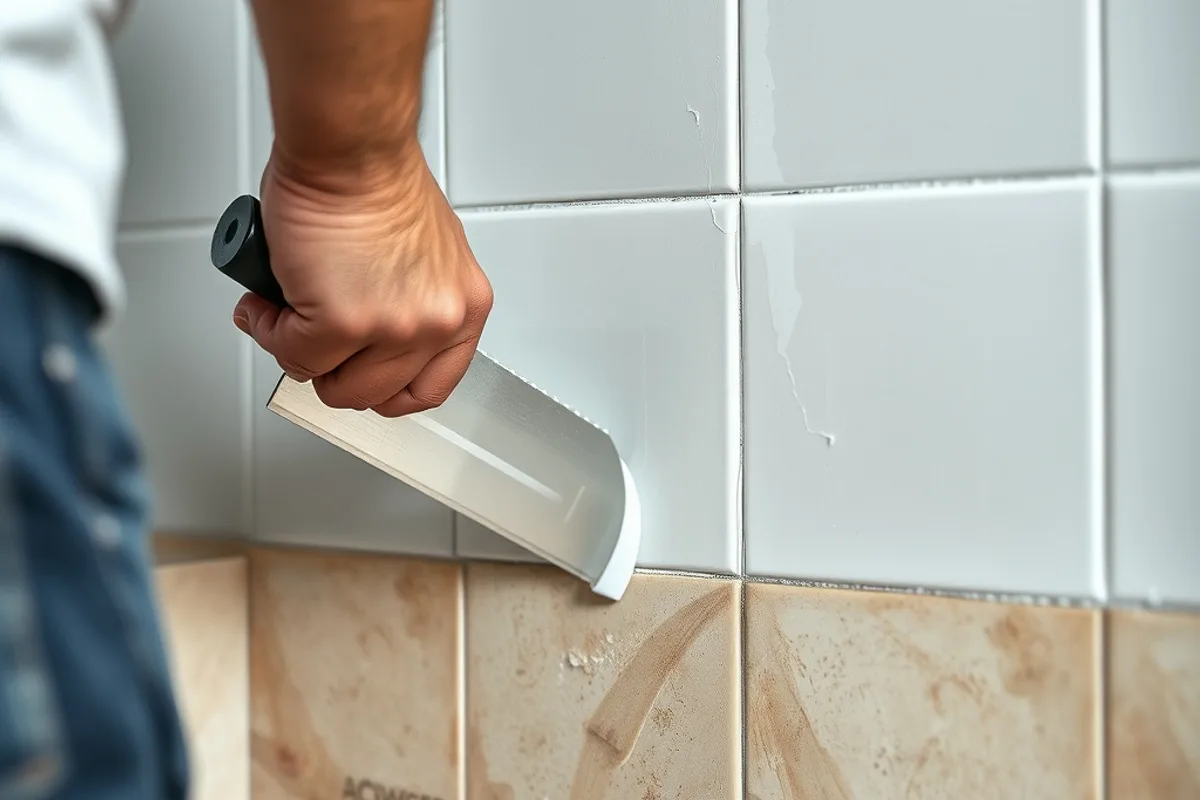
Most tile failures are substrate failures. Tile is rigid; the surface beneath it must be stable, flat and appropriate for the load. A timber floor moves, a screed may shrink, and a wall may not be plumb. The installer's job is to address those conditions before the first tile is fixed.
Key checks:
- Deflection. Timber floors must be stiff enough for the tile; otherwise the tile cracks along the joists. A tiler should assess span and board type, not guess.
- Flatness. Large-format tiles tolerate very little variation. Self-levelling compound or a suitable uncoupling membrane may be needed.
- Waterproofing. Wet areas need a continuous waterproof membrane behind the tile, with the correct overlaps and details at corners and drains.
- Adhesive coverage. Use the correct notched trowel and back-butter large tiles. Partial coverage creates voids and point loads.
- Movement joints. Large areas and changes of plane need movement joints, not rigid grout everywhere.
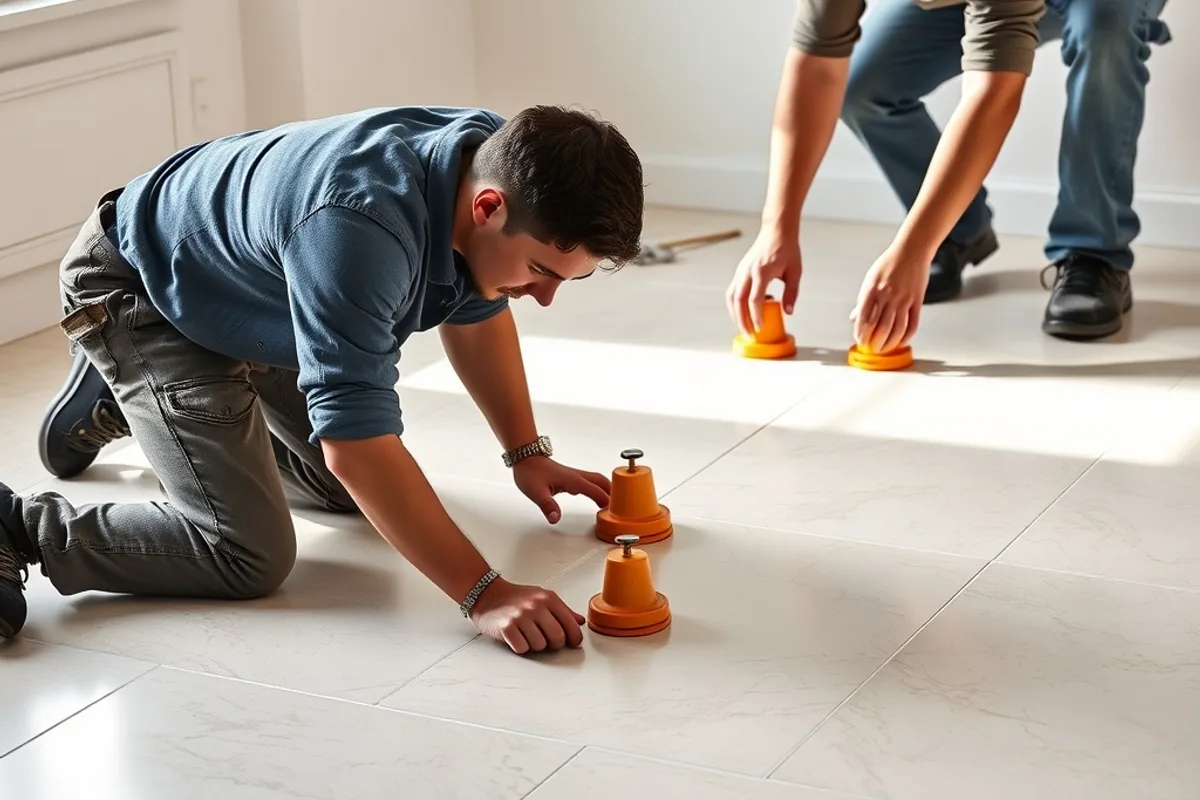
Large-format tiles are fashionable and demanding. They need flat substrates, suction cups, careful handling and often two installers. They can look superb in a minimal room, but they amplify any substrate error. If the budget does not stretch to proper preparation, a smaller format is the wiser choice.
Where each tile belongs
A simple allocation works for most homes:
- Bathrooms and showers: porcelain with a matt or textured finish, full waterproofing, epoxy grout in wet zones.
- Kitchens: porcelain or ceramic for walls; porcelain or stone for floors, with a stain-resistant grout.
- Hallways and entries: full-body porcelain or slate, with a slip-resistant finish and a dark grout that hides grit.
- Living areas: porcelain that mimics stone or wood, or a warm natural stone if maintenance is acceptable.
- Exteriors: frost-resistant porcelain rated for outdoor use, or a suitable natural stone, installed on a drainage-friendly base.
- Underfloor heating: porcelain is an excellent conductor; check that the adhesive and substrate are compatible with the heating system.
Wood-look porcelain deserves a note. It is practical and convincing, but the printed pattern can repeat visibly across a large floor. Order a little extra and mix the boxes during installation to break up repetition.
The bottom line
Choose porcelain for wet areas, high traffic and low maintenance; ceramic for walls and lighter use where budget matters; natural stone where you want character and will accept sealing and care. Then invest in the invisible parts: a stable substrate, full adhesive coverage, proper waterproofing and the right grout. The tile is the finish. The installation is the reason it survives.