The Maintenance Calendar Every Homeowner Should Keep
Buildings do not fail at random. Most expensive repairs begin as a small seasonal task that was postponed. A one-page calendar is the cheapest tool a homeowner owns.
Every homeowner knows the feeling of discovering a problem at the worst possible moment: a gutter overflowing in a storm, a boiler failing on the first cold weekend, a damp patch appearing behind a wardrobe. These events feel sudden. Most of them are the end of a process that started months earlier and would have been cheap to interrupt.
A maintenance calendar is not a fantasy of a perfectly kept house. It is a short list of checks tied to the seasons, written down so it does not depend on memory. The aim is to catch water, movement and wear while they are still observations rather than repairs.
Why calendars beat emergencies
Maintenance has a compounding return. Cleaning a gutter costs an afternoon; repairing a rotted fascia and the wall behind it costs far more. Replacing a washer is trivial; a slow drip that damages a cabinet is not. The calendar exists to move a small number of tasks into the cheap part of that curve.
Keep it simple. A single page with four columns and a few recurring items is more likely to be used than a forty-page manual. Add the dates when your specific systems need attention: boiler service, heat pump check, septic tank emptying, irrigation start-up. Put the page where you will see it, and set phone reminders for the tasks that are easy to forget.
Record what you find. A photo of the roof from the same angle each year, a note of the date the gutters were cleared, the name of the plumber who fixed the valve. This history is useful when you sell, when you claim on insurance, and when a contractor asks what has been done before.
Spring: water, roof and exterior
Spring is the season of inspection after winter. Walk the exterior with a critical eye and a notebook.
- Roof and flashing: look for slipped or cracked tiles, lifted flashing, grit in the gutters and staining on ceilings. Use binoculars from the ground; do not walk a roof you are not trained and equipped to walk.
- Gutters and downpipes: clear debris, check that joints are tight and confirm that water discharges away from the foundations.
- Exterior walls: check for cracks, failed sealant, flaking paint and damp patches. Small cracks in render may be movement; wide or recurring cracks deserve a surveyor.
- Drainage: clear gullies and inspect soakaways or drainage channels. Test that water flows away after rain.
- Woodwork: inspect decking, fences, window frames and fascia for rot, loose fixings and splitting.
Spring is also the right time to service cooling equipment and to check that exterior taps, irrigation and outdoor lighting survived the winter. If the house has a basement or crawl space, inspect for damp after the wettest months.
Summer: heat, paint and shade
Summer is for work that needs dry weather and long daylight. Painting, staining and exterior repairs are easier now, provided you avoid direct sun on freshly applied finishes.
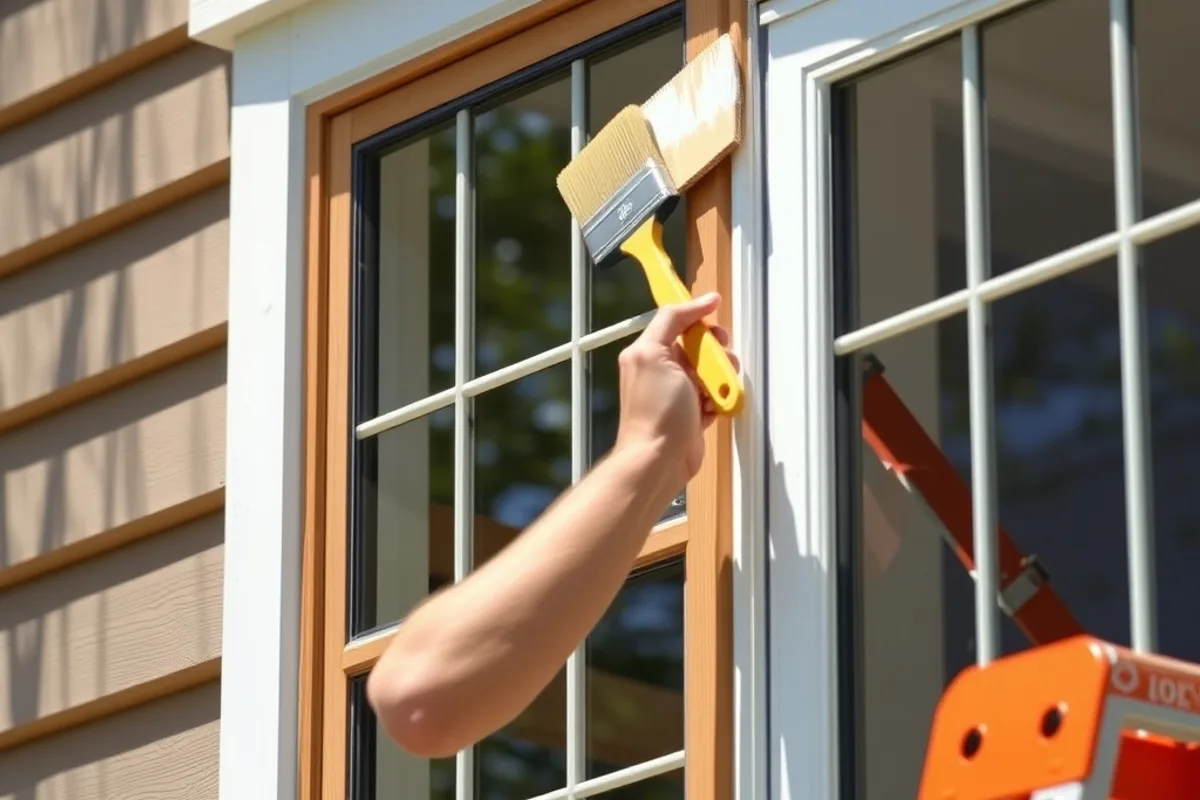
- Paint and stain: touch up exterior trim, doors and decking. Prepare properly; paint over damp or flaking surfaces will fail again.
- Sealants: renew mastic around windows, doors and service penetrations. Use the correct exterior-grade product.
- Ventilation: clean extractor fans, dryer vents and air-conditioning filters. Check that vents are not blocked by vegetation or stored items.
- Shade and water: if the garden is irrigated, adjust the schedule for the season and check emitters. Mulch beds to reduce water loss.
- Timber pests: look for signs of termites or wood-boring insects, especially in damp areas and around decking.
Summer is also a good time to inspect the roof space. Heat and ventilation problems show up as staining, condensation or a hot, stuffy loft. Check insulation is intact and that eaves vents are clear.

Autumn: the most important season
If you do only one maintenance session a year, make it autumn. This is when the house is prepared for water, wind and cold, and when small defects become expensive if ignored.
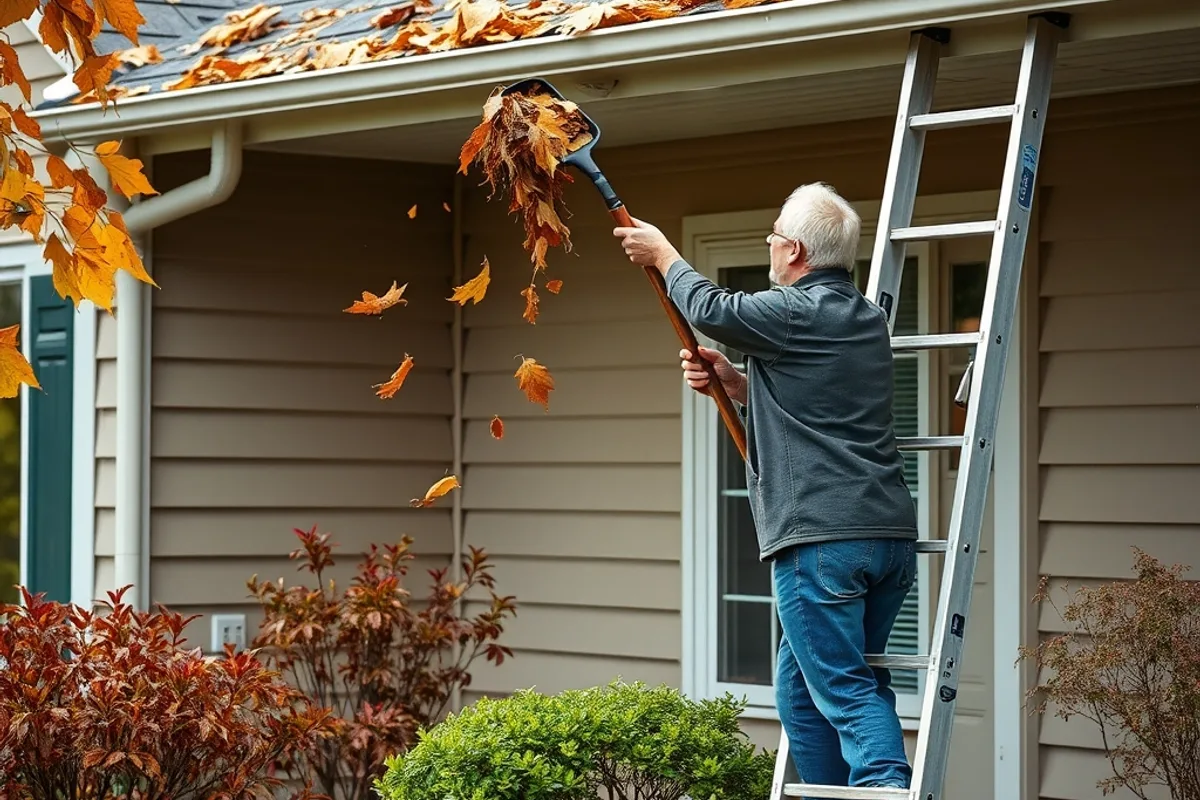
- Clear gutters and downpipes after most leaves have fallen. Check the outlets, not just the troughs.
- Check the roof for loose flashings and damaged tiles before the storm season.
- Drain outdoor systems: isolate and drain exterior taps, irrigation lines and hose reels before the first freeze.
- Service the heating system: book a boiler or heat pump service early, before the annual rush. Replace filters and bleed radiators where needed.
- Seal draughts: check doors, windows, loft hatches and service penetrations. A thermal camera or a hand held in the right place can find the worst gaps.
- Clear drains and gullies of leaves and silt, and check that external traps are not blocked.
- Inspect the roof space for leaks, condensation and pest activity before winter.
Autumn is also the time to test smoke and carbon monoxide alarms, check fire extinguishers and review the household emergency plan. These are not glamorous tasks, but they belong on the same list.
Winter: freeze, damp and indoor air
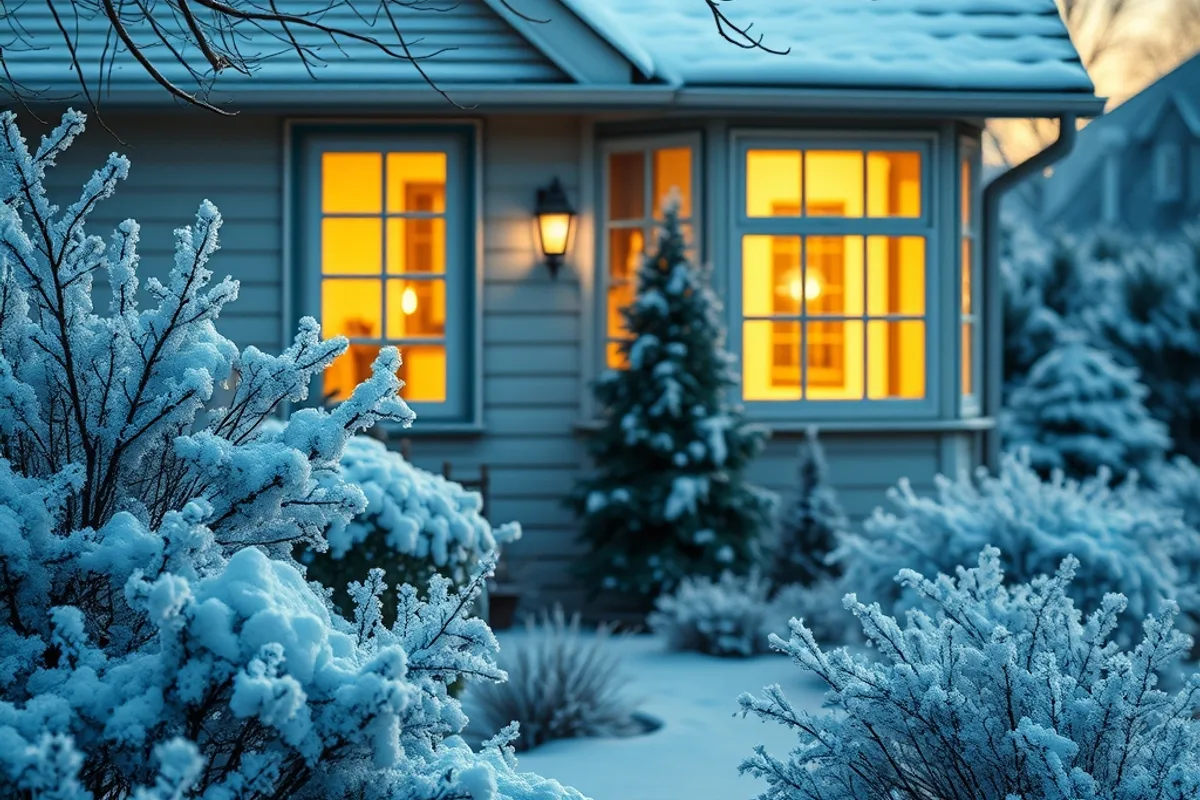
Winter maintenance is mostly about prevention and response. Keep the house warm enough to prevent freezing in vulnerable areas, especially if you travel. Know where the main water valve is and how to shut it off.
- Watch for ice dams and roof leaks after snow. Keep eaves and gutters clear where it is safe to do so.
- Check for condensation on windows, walls and ceilings. Improve ventilation rather than simply turning up the heat.
- Keep external drains clear of snow and debris so meltwater can escape.
- Test alarms and replace batteries on schedule.
- Inspect for damp in basements, crawl spaces and cupboards on exterior walls. Move stored items away from cold surfaces.
If the house will be empty for a prolonged period, arrange for someone to check it, keep a minimum temperature running and consider shutting off the water supply. Burst pipes in an unoccupied house cause some of the most costly insurance claims.

The bottom line
Maintenance is not a hobby for the exceptionally organised. It is a short list of seasonal checks that any homeowner can keep. Clear water away, keep the roof and exterior sound, service the heating before it fails, and watch for damp and cold. The calendar will not prevent every problem, but it will move most of them into the category of small repairs instead of emergencies.