Rental-Ready: What Property Managers Actually Check Between Tenants
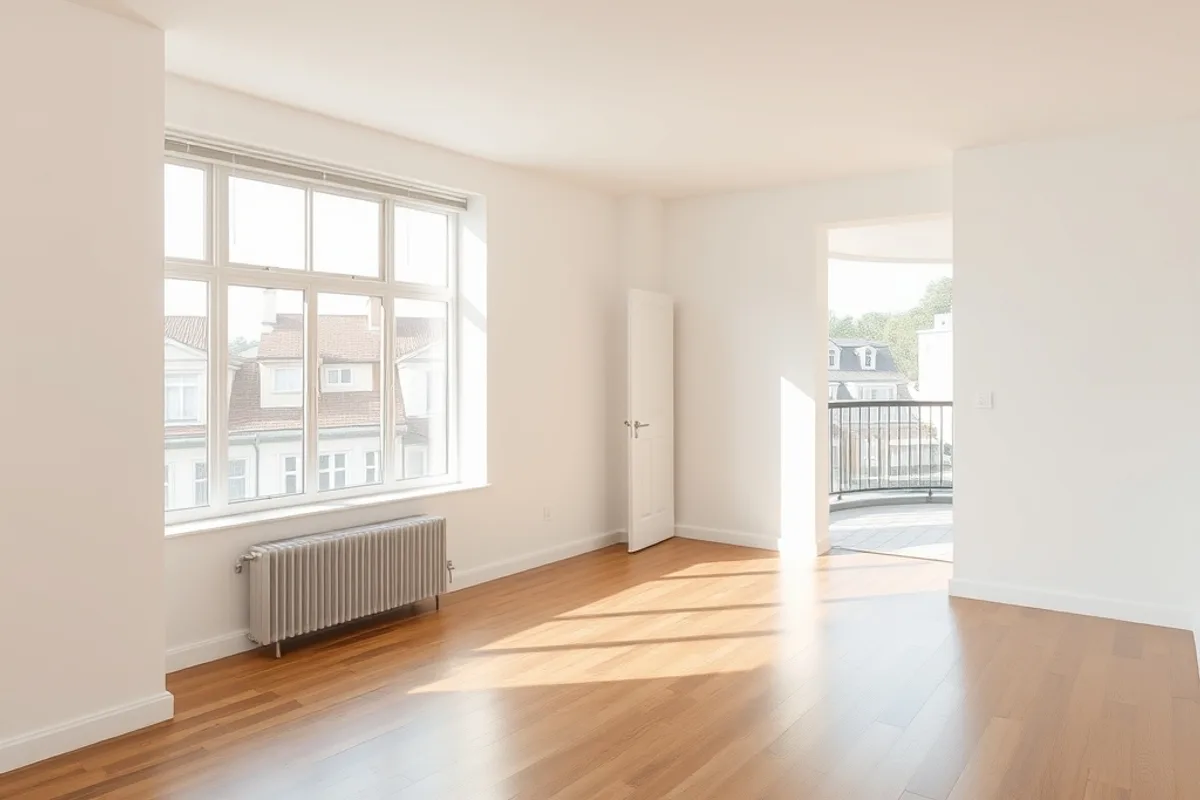
A good turnover is not a deep clean with a coat of paint. It is a short, disciplined inspection that protects the deposit, the tenant and the asset at the same time.
The gap between tenancies is the most valuable maintenance window a rental property gets. It is also the point where landlords lose money through rushed decisions: a coat of paint over a damp patch, a cleaner who misses the extractor filter, a check-out report with three blurry photos. None of these are dramatic. Together they decide whether the next tenancy starts with a confident tenant or a list of complaints.
A turnover checklist is a tool for consistency. It should be short enough to complete under time pressure and specific enough that two different people would reach the same conclusion. The order matters: safety and function first, presentation second, documentation throughout.
The turnover window
Start planning before the tenant leaves. Confirm the check-out date, the cleaning standard in the tenancy agreement, the deposit scheme rules and any contractual notice. Book the cleaner, the trades and the inventory clerk as early as possible; the last week is when everyone is busy.
A realistic schedule for a typical apartment looks like this:
- Day 1–2: check-out inspection, meter readings, key return, deposit discussion.
- Day 2–4: repairs and safety checks, including any work that needs access behind furniture.
- Day 4–6: deep clean, carpet cleaning if required, garden tidy.
- Day 6–7: final inspection, photos, inventory update, advertising and viewings.
Compress this only if the property is genuinely in good condition. A rushed turnover is usually paid for later through a complaint or an early repair.
Safety and compliance first
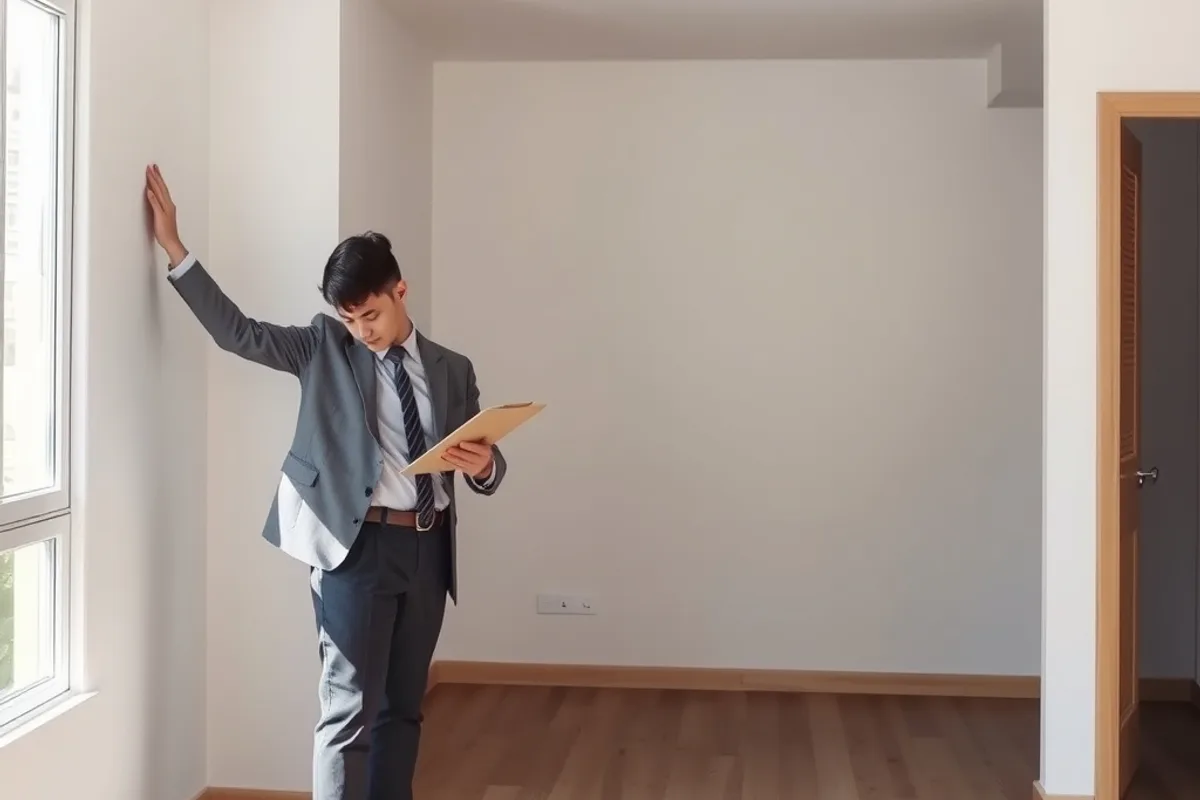
Safety checks are non-negotiable and often legally required. The exact list depends on jurisdiction, but a rental turnover should always cover:
- Smoke and carbon monoxide alarms: test, replace batteries, confirm expiry dates.
- Electrical safety: check for damaged sockets, exposed wiring, missing covers and overloaded circuits. Arrange a periodic inspection if due.
- Gas safety: confirm the annual gas safety check is current where gas appliances exist.
- Water temperature: check hot water controls and anti-scald devices where fitted.
- Fire safety: clear escape routes, check extinguishers and fire blankets if provided, confirm doors and windows open freely.
- Ventilation: clean extractor fans, check trickle vents and ensure bathroom and kitchen ventilation works.
- Legionella: flush outlets and follow local guidance for vacant periods.
- Mould and damp: inspect cold corners, bathroom ceilings and behind furniture. Treat the cause, not just the stain.
Record the results. A compliance file with dates, certificates and photographs is worth having when a tenant asks a question or an inspector calls. It also demonstrates a duty of care that courts and insurers take seriously.
Cleaning, odour and presentation
Cleaning standards vary, but a tenant should receive a property at least as clean as the one they viewed. The details that get missed are predictable:
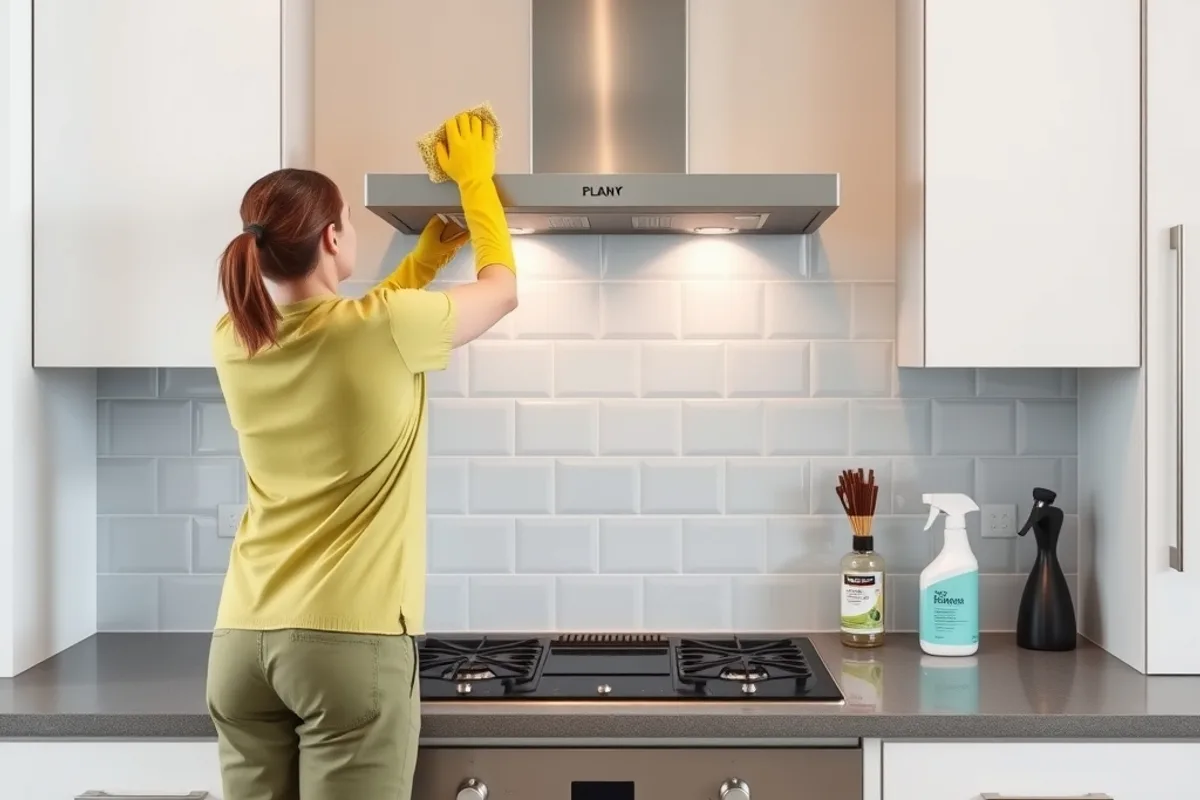
- Extractor filters, oven racks, behind the fridge, under the sink and inside cupboards.
- Window tracks, blind slats, skirting boards and door tops.
- Shower screens, grout, drain traps and the seal around baths and basins.
- Carpets and upholstery, especially if pets have lived there.
- Balcony drains, garden bins and outdoor storage.
Odour is harder to fix than dirt. Smoke, pets and damp can linger in soft furnishings and underlay. Ozone or professional treatments may help, but the source must be removed first. Painting over a smell does not work.
Presentation matters for letting speed. Replace broken handles, tighten hinges, fit fresh lampshades where needed and make sure every light works. A property that looks cared for rents faster and attracts tenants who expect to be treated fairly.
Repairs that protect the deposit
Deposit disputes are rarely about the big things. They are about ambiguity: was that mark there before, was the blind already broken, was the carpet cleaned to the standard required? A disciplined repair and record-keeping process removes most of that ambiguity.
Fix functional defects before re-letting: dripping taps, running toilets, broken handles, faulty locks, failed seals, loose tiles and damaged blinds. These are inexpensive now and become deductions arguments later. For cosmetic damage, decide a fair policy in advance and apply it consistently. Normal wear and tear should not be charged to the tenant.
If the tenant reports a repair during the tenancy, log it, respond within the agreed time and keep evidence of the work. A paper trail is the best defence against a claim that the landlord ignored a problem.
Documentation and photos
Photograph every room from the same positions at check-in and check-out. Include close-ups of any existing damage, meter readings, serial numbers of appliances, and the state of gardens and communal areas. Date-stamped images are more useful than a memory.
Use a written inventory that describes condition, not just presence. "Sofa, grey, two-seat, small mark on left arm" is worth more than "sofa". Ask the tenant to sign or acknowledge it, and give them a copy.
At check-out, compare like with like. A check-out report written without the check-in report in hand is an invitation to dispute. If cleaning or repair costs are deducted, provide quotes or invoices and follow the deposit scheme's process.

The bottom line
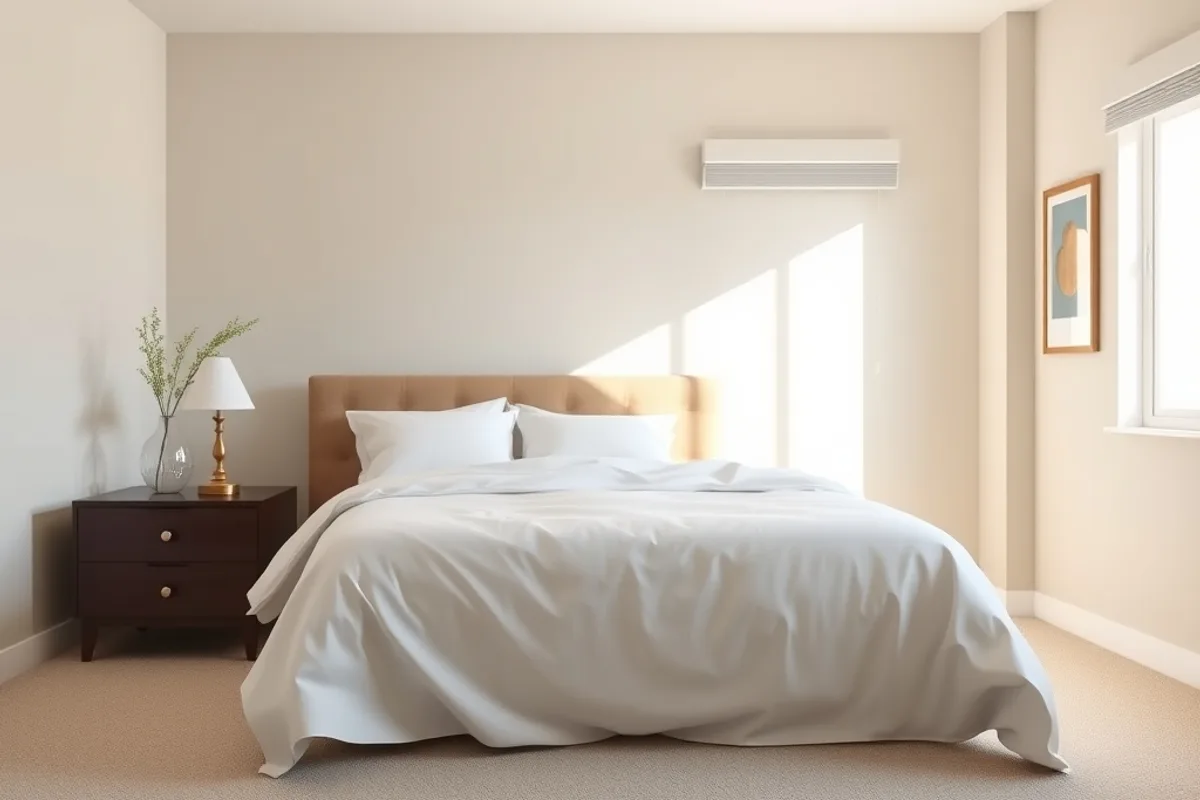
A successful turnover is a sequence, not a scramble. Protect safety and compliance first, clean and repair to a documented standard, and record everything with photos and dates. The property lets faster, the tenant starts with clear expectations, and the deposit conversation is grounded in evidence rather than recollection.